Guide to Distinguishing Real vs Fake Herbal Products
- 时间:
- 浏览:173
- 来源:TCM1st
Let’s be real—walking into a health store or browsing online for herbal supplements can feel like stepping into a maze. With so many options claiming to boost immunity, improve sleep, or detox your body, how do you know what’s legit and what’s just clever marketing? As someone who’s spent over a decade reviewing natural health products, I’ve seen the good, the bad, and the downright fake. Here’s your no-BS guide to spotting real vs fake herbal products.
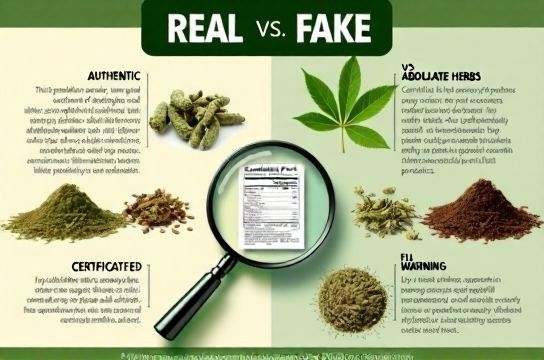
Why Adulteration Is a Bigger Problem Than You Think
A shocking 30% of herbal supplements tested by the American Botanical Council were found to contain fillers, substitutes, or zero active ingredients. That means nearly 1 in 3 bottles on the shelf might be doing nothing—or worse, harming you.
Red Flags That Scream 'Fake Alert'
- Vague labeling: Phrases like “proprietary blend” with no ingredient amounts.
- Too cheap to be true: High-quality herbs cost money. If it’s 80% cheaper than competitors, ask why.
- No third-party testing: Legit brands display certifications from labs like NSF or USP.
How to Verify Authenticity Like a Pro
Start by checking for a Certificate of Analysis (CoA). This document, provided by independent labs, confirms what’s actually in the bottle. Brands that refuse to share CoAs? Run.
Next, look up the manufacturer on the FDA’s database. Are there any warning letters? Recalls? A clean record is a green flag.
Top 5 Most Counterfeited Herbs & How to Spot Fakes
Some herbs are targeted more than others due to high demand and cost. Here’s a quick breakdown:
| Herb | Common Substitute | Authenticity Test |
|---|---|---|
| Turmeric | Curcumin extract diluted with starch | HPLC test shows curcuminoid levels below 95% |
| Ashwagandha | Other Withania species | DNA barcoding confirms W. somnifera |
| Ginseng | Siberian ginseng (Eleutherococcus) | Root morphology + chemical profiling |
| Milk Thistle | Silymarin extracted from cheaper sources | Standardized to 80% silymarin |
| Echinacea | E. pallida instead of E. purpurea | Species-specific marker compounds |
Pro tip: Always buy from brands that use third-party verified sourcing. These companies go the extra mile to ensure purity and potency.
The Bottom Line
Your health isn’t worth gambling on sketchy labels. Spend a few extra minutes checking CoAs, researching brands, and paying for quality. Real herbal products work—but only if they’re real.