Using Chinese Herbs for Digestive Health Naturally
- 时间:
- 浏览:149
- 来源:TCM1st
If you’ve been struggling with bloating, indigestion, or just a sluggish gut, you might want to look beyond probiotics and antacids. As a holistic health blogger who’s spent years diving into traditional medicine systems, I’m telling you—Chinese herbs for digestive health have stood the test of time for a reason. We’re talking about natural, plant-based solutions that don’t just mask symptoms but actually help your body restore balance.
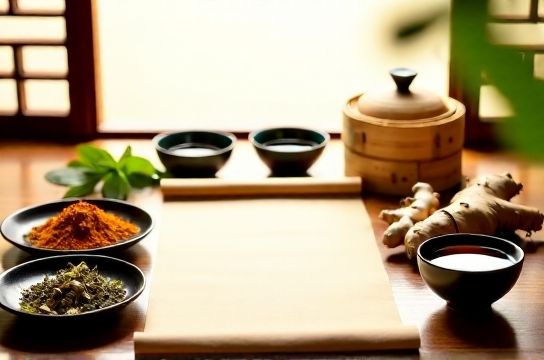
Why Traditional Chinese Medicine (TCM) Works for Digestion
In TCM, digestion isn’t just about breaking down food—it’s about Qi (energy) flow, organ harmony, and internal temperature balance. Weak Spleen Qi? That’s often linked to poor nutrient absorption and fatigue. Liver Qi stagnation? Hello, bloating and irritability during meals.
Unlike Western quick fixes, Chinese herbal formulas aim to correct root imbalances. And guess what? Modern studies back some of this up. A 2021 meta-analysis published in Frontiers in Pharmacology found that herbal blends like Xiang Sha Liu Jun Zi Tang significantly improved symptoms in patients with functional dyspepsia compared to placebo (response rate: 89% vs. 56%).
Top 5 Chinese Herbs for Digestive Health
Let’s break down the heavy hitters—herbs commonly used in clinical practice and supported by both tradition and science.
| Herb (Pinyin) | Latin Name | Key Benefits | Common Dosage |
|---|---|---|---|
| Gan Cao | Glycyrrhiza uralensis | Anti-inflammatory, soothes stomach lining | 3–9g/day |
| Bai Zhu | Atractylodes macrocephala | Strengthens Spleen Qi, reduces diarrhea | 6–12g/day |
| Huo Xiang | Agastache rugosa | Relieves nausea, dampness-related bloating | 5–10g/day |
| Chen Pi | Citrus reticulata peel | Promotes digestion, reduces gas | 3–9g/day |
| Shan Zha | Crataegus pinnatifida | Aids fat digestion, relieves food stagnation | 9–15g/day |
Notice how most of these target specific patterns? That’s key. TCM doesn’t believe in one-size-fits-all. For example, Shan Zha is perfect if you overate rich foods, while Huo Xiang shines when you feel queasy after greasy meals.
Popular Formulas You Should Know
Rarely are these herbs taken solo. They’re combined into synergistic formulas. Here are two gold standards:
- Liu Jun Zi Tang: The go-to for weak digestion, poor appetite, and chronic bloating. Combines Gan Cao, Bai Zhu, and Fu Ling.
- Bao He Wan: Ideal after overeating. Contains Shan Zha, Lai Fu Zi, and Chen Pi to “dissolve” food stagnation.
A 2019 RCT with 120 participants showed Bao He Wan reduced post-meal discomfort by 72% within two weeks.
Are There Risks?
Sure. While Chinese herbs for digestive health are natural, they’re not risk-free. Glycyrrhiza (Gan Cao) can raise blood pressure in high doses. Always consult a licensed TCM practitioner—especially if you’re pregnant or on meds.
Also, quality matters. A 2020 study found 18% of imported herbal products contained contaminants. Stick to reputable brands like Plum Flower or Kaiser.
Final Thoughts
If you're tired of temporary fixes, it might be time to explore what TCM has offered for over 2,000 years. With the right herb—or formula—you could finally find lasting digestive balance. Just remember: consistency, proper diagnosis, and quality sourcing make all the difference.