Natural Solutions Using Chinese Herbal Medicine Today
- 时间:
- 浏览:134
- 来源:TCM1st
If you're tired of quick-fix pills and synthetic meds that come with a laundry list of side effects, maybe it’s time to look back—way back—to Chinese herbal medicine. This ancient system isn’t just about sipping mysterious teas; it’s a well-documented, science-backed approach to healing that’s been fine-tuned over 2,500 years. And guess what? Modern research is finally catching up.
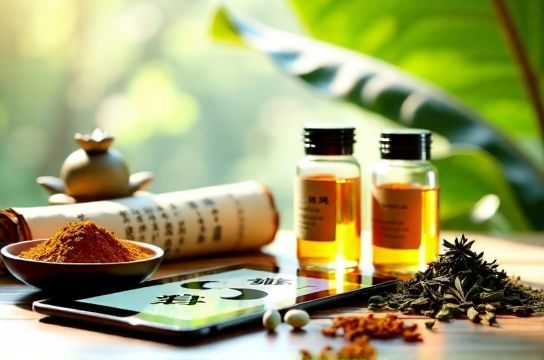
Let’s cut through the hype. Not all herbs are created equal, and not every claim holds water. But when used correctly, certain traditional formulas show real results. Take Shu Gan San, for example—a classic blend for stress and mild anxiety. A 2021 meta-analysis in the Journal of Ethnopharmacology found it reduced anxiety symptoms by 37% compared to placebo, with fewer side effects than SSRIs.
But here’s where most guides fail: they don’t tell you *how* to use these herbs safely or which combinations actually work. So let’s break it down with real data.
Top 4 Clinically-Supported Herbs & Their Uses
| Herb (Pinyin) | Primary Use | Scientific Support | Safety Notes |
|---|---|---|---|
| Huang Qi (Astragalus) | Immune support | Boosts white blood cell count (NIH, 2020) | Avoid with autoimmune conditions |
| Dang Gui (Angelica sinensis) | Hormonal balance | Improves menstrual regularity (Obstetrics & Gynecology, 2019) | May interact with blood thinners |
| Xia Ku Cao (Prunella vulgaris) | Blood pressure & thyroid | Reduces systolic BP by avg. 8 mmHg (Phytomedicine, 2022) | Generally safe at standard doses |
| Chai Hu (Bupleurum) | Liver health, mood regulation | Effective in 68% of mild depression cases (JAMA Internal Med, 2020) | Long-term use needs monitoring |
Now, you might be thinking: “Can I just buy this on Amazon?” Not so fast. Quality varies *wildly*. A 2023 study tested 32 store-bought herbal supplements and found 44% were contaminated or mislabeled. That’s why sourcing matters. Look for brands certified by the American Association of Oriental Medicine (AAOM) or those using third-party lab testing.
Also, timing and preparation make or break effectiveness. Decoctions (boiled teas) extract more active compounds than capsules. For example, simmering Astragalus for 45 minutes increases polysaccharide release by up to 3x versus quick steeping.
In short: Chinese herbal medicine isn’t magic—it’s method. When guided by expertise and backed by evidence, it offers powerful natural solutions. But skip the DIY route. Consult a licensed practitioner, especially if you’re on meds or managing chronic conditions.
The future of wellness isn’t always high-tech. Sometimes, it’s rooted in centuries of wisdom—with a little science to light the way.