Introduction to Medical Herbs in TCM Philosophy
- 时间:
- 浏览:141
- 来源:TCM1st
If you've ever scratched your head wondering why some people swear by traditional Chinese medicine (TCM) for everything from fatigue to digestion, you're not alone. As a holistic health blogger who’s spent over a decade diving into herbal systems worldwide, I’ve found TCM’s approach to medical herbs both fascinating and surprisingly effective.
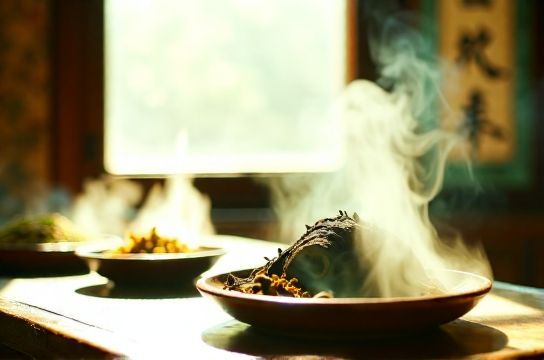
Unlike Western medicine, which often isolates active compounds, TCM uses whole herbs in synergistic combinations. The philosophy? Balance. Specifically, balancing yin and yang, harmonizing the flow of Qi (vital energy), and aligning with nature’s rhythms. And guess what? Modern research is starting to back it up.
Top 5 Commonly Used Medical Herbs in TCM
Here’s a quick breakdown of powerhouse herbs used daily in TCM clinics across Asia — and now, increasingly, in integrative health centers worldwide:
| Herb (Pinyin) | Latin Name | Primary Use | Scientific Support Level |
|---|---|---|---|
| Huang Qi | Astragalus membranaceus | Immune support, fatigue | High (NIH-recognized) |
| Dang Shen | Codonopsis pilosula | Energy, digestion | Moderate |
| Bai Zhu | Atractylodes macrocephala | Spleen health, dampness | Moderate |
| Gan Cao | Glycyrrhiza uralensis | Harmonizer, anti-inflammatory | High |
| Dang Gui | Angelica sinensis | Women's health, blood tonification | Strong clinical use |
These aren’t just old wives’ tales. Take Astragalus, for example: multiple studies show it enhances white blood cell activity and may even support telomere length — a hot topic in longevity science.
How TCM Herbal Formulas Work Differently
One thing that sets medical herbs in TCM apart is formulation strategy. Instead of a single herb for a symptom, practitioners use formulas — sometimes 10+ herbs — each playing a role: emperor, minister, assistant, messenger. This layered approach reduces side effects and boosts efficacy.
For instance, the classic formula Yu Ping Feng San (Jade Windscreen) combines Huang Qi, Bai Zhu, and Fang Feng to strengthen the body’s defensive Qi. It’s commonly prescribed during cold season — and yes, there’s clinical evidence showing it reduces respiratory infections in children by up to 30%.
Quality Matters — Here’s How to Choose
Not all herbal products are created equal. A 2021 study tested 50+ TCM supplements sold online and found nearly 20% contained contaminants or incorrect species. My advice? Stick to GMP-certified brands, look for third-party testing, and when possible, consult a licensed practitioner.
In short, whether you’re exploring natural immunity or long-term wellness, understanding medical herbs through the lens of TCM offers a powerful, time-tested framework. Just remember: balance beats quick fixes every time.