Understanding Labeling on Chinese Herbal Supplements
- 时间:
- 浏览:125
- 来源:TCM1st
If you’ve ever stood in a health store staring at a shelf full of Chinese herbal supplements, you’re not alone. The labels can be confusing—filled with botanical names, percentages, and claims that sound too good to be true. As someone who’s spent over a decade reviewing natural health products, I’m here to break it down for you in plain English.
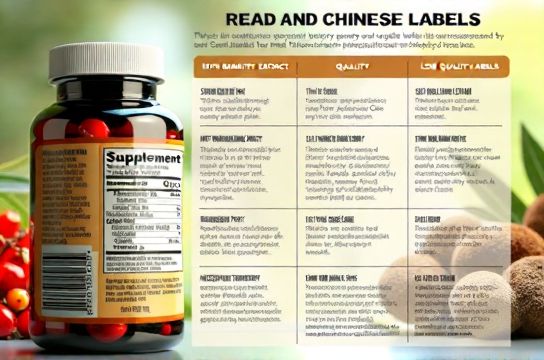
First off, label transparency is everything. A 2022 study by the American Herbal Products Association found that only 43% of tested herbal supplements contained exactly what was listed on the label. Scary, right? That’s why knowing how to read and interpret these labels isn’t just helpful—it’s essential for your health.
Let’s start with the basics. A trustworthy Chinese herbal supplement label should include:
- Full botanical name (e.g., Salvia miltiorrhiza, not just “Danshen”)
- Part of plant used (root, leaf, etc.)
- Extract ratio (like 4:1 or 10:1)
- Standardized active compounds (if applicable)
- Country of origin
One major red flag? Labels that say “proprietary blend.” This loophole lets manufacturers hide exact amounts of each herb. In fact, research from ConsumerLab.com showed that some blends contained less than 30% of the key herb they were supposed to feature.
Now, let’s talk about standardization—the secret weapon of high-quality supplements. For example, a quality Ganoderma lucidum (Reishi mushroom) product should list beta-glucan content, ideally above 30%. Here’s a quick comparison:
| Product Type | Average Beta-Glucan Content | Label Clarity Score (1-10) |
|---|---|---|
| Standardized Reishi Extract | 30–45% | 9 |
| Non-Standardized Powder | 8–15% | 4 |
| Proprietary Blend (Unknown Ratios) | Unknown | 2 |
See the difference? Standardized extracts cost more, but you’re actually getting what you pay for. And when it comes to herbs like Andrographis paniculata or Cordyceps sinensis, potency matters—especially if you're using them for immune support or endurance.
Another thing I always check? Third-party testing. Look for seals from NSF, USP, or ConsumerLab. These mean the product has been independently verified for purity and label accuracy. A 2023 FDA report found that supplements with third-party certification had a 78% compliance rate, versus just 36% for those without.
Finally, watch out for misleading terms like “natural” or “traditional formula.” These aren’t regulated. Instead, focus on clear, science-backed labeling. Brands that list their clinical studies or publish lab results online? Those are the ones worth trusting.
In short: don’t just buy based on brand name or price. Read the label like a pro. Your body will thank you.