Traditional Uses of Chinese Medicinal Plants Explained
- 时间:
- 浏览:125
- 来源:TCM1st
If you've ever dabbled in natural health, you’ve probably heard about Chinese medicinal plants. These aren’t just old wives’ tales—many have been used for over 2,000 years in Traditional Chinese Medicine (TCM). But what’s actually backed by science? Let’s break down the most popular herbs, their traditional uses, and what modern research says.
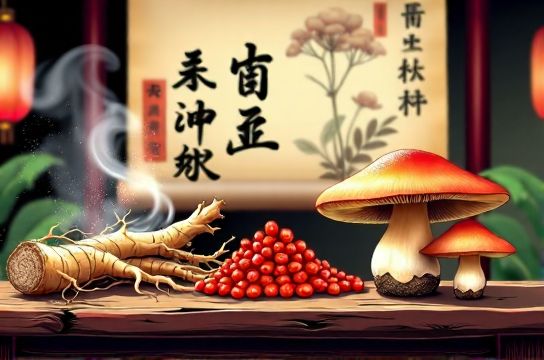
First off, TCM doesn’t treat symptoms—it treats patterns. That means two people with headaches might get different herbs based on their body’s ‘pattern’ of imbalance. This holistic approach is why herbs like Ginseng, Goji Berry, Reishi Mushroom, and Chrysanthemum are staples.
Top 4 Chinese Medicinal Plants & Their Uses
| Herb | Traditional Use | Active Compounds | Scientific Support |
|---|---|---|---|
| Ginseng (Ren Shen) | Boost energy, reduce fatigue | Ginsenosides | ✅ Strong (RCTs show improved cognition & stamina) |
| Goji Berry (Gou Qi Zi) | Improve vision, boost immunity | Polysaccharides, Zeaxanthin | ✅ Moderate (Antioxidant effects proven) |
| Reishi Mushroom (Ling Zhi) | Support immune function, calm mind | Triterpenes, Beta-glucans | ✅ Moderate (Immune modulation shown in studies) |
| Chrysanthemum (Ju Hua) | Cool body heat, soothe eyes | Chlorogenic acid, Flavonoids | 🟡 Limited (Used traditionally for inflammation) |
As you can see, some herbs have solid backing. Take ginseng, for example. A 2021 meta-analysis in Journal of Ethnopharmacology found that Panax ginseng improved mental performance and reduced fatigue in 14 out of 17 clinical trials. That’s not noise—that’s signal.
Goji berries? They’re packed with zeaxanthin, a compound linked to eye health. One study showed daily goji consumption increased macular pigment density in older adults—key for preventing age-related macular degeneration.
But here’s the catch: quality matters. Not all herbal products are created equal. In a 2020 review, nearly 30% of herbal supplements didn’t contain the listed herb or had contaminants. Always look for third-party tested brands (like USP or NSF certified).
Also, more isn’t always better. Reishi, while generally safe, can cause liver toxicity in high doses over long periods. And chrysanthemum, though mild, may interact with blood pressure meds.
Bottom line: Respect the tradition, but verify with science. Whether you're boosting immunity or chasing longevity, start with well-researched herbs, stick to recommended doses, and consult a healthcare provider if you're on meds.
Want deeper insights? Check out our full guide to natural wellness at /.