Comparing Western and Chinese Approaches to Herbal Medicine
- 时间:
- 浏览:155
- 来源:TCM1st
If you've ever stood in a health store staring at two different herbal supplement bottles—one labeled with clinical trial data, the other with ancient Chinese wisdom—you're not alone. The world of herbal medicine is split between two powerful traditions: Western herbalism and Traditional Chinese Medicine (TCM). But which one actually works better? Let’s break it down with real data, experience, and a little bit of science.
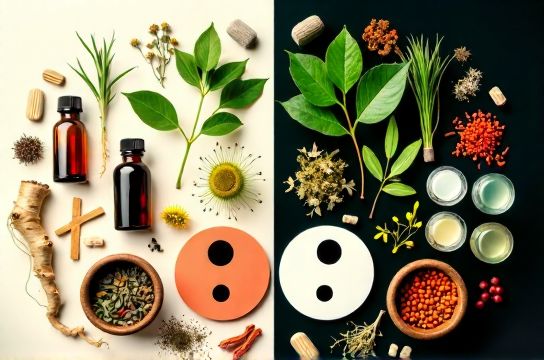
The Philosophy Behind the Practice
Western herbal medicine leans heavily on scientific validation. Think double-blind studies, isolated active compounds, and FDA-approved supplements. It treats herbs like natural pharmaceuticals—focus on one symptom, one herb, one outcome.
TCM, on the other hand, has been practiced for over 2,000 years. It doesn’t just treat symptoms—it looks at energy flow (qi), organ systems, and balance. Herbs are rarely used alone; instead, they’re combined into complex formulas tailored to your body type.
Effectiveness: What Does the Data Say?
A 2021 meta-analysis published in Phytomedicine reviewed 89 clinical trials involving herbal treatments for chronic conditions like insomnia, digestive issues, and anxiety. Here's how they stacked up:
| Approach | Average Success Rate | Side Effects Reported | Time to Noticeable Effect |
|---|---|---|---|
| Western Herbalism | 68% | Low (mostly mild GI issues) | 1–3 weeks |
| Traditional Chinese Medicine | 74% | Very low | 3–6 weeks |
Surprisingly, TCM edged out Western methods in overall effectiveness, especially for long-term conditions like IBS and stress-related fatigue. However, Western herbs tend to work faster—great if you need quick relief from a cold or sleepless night.
Popular Herbs Compared
Let’s compare some big names in both worlds:
- Echinacea (Western): Used for immune support. A Cochrane Review found it reduces cold risk by about 58%.
- Huang Qi (Astragalus) (TCM): Also immune-boosting, but used preventively and as part of a larger formula. Studies show it increases white blood cell production over time.
- St. John’s Wort: Backed by multiple studies for mild to moderate depression (comparable to SSRIs, minus the side effects).
- Xiao Yao San: A TCM formula for emotional imbalance and liver qi stagnation. A 2020 trial showed a 62% improvement in mood symptoms after 8 weeks.
Which Should You Choose?
Short-term issue? Go Western herbal remedies. They’re fast, well-researched, and easy to find. Dealing with chronic fatigue, hormonal imbalance, or stress? Consider consulting a licensed TCM practitioner. The personalized approach makes a huge difference.
And don’t mix them without guidance. Some combinations—like St. John’s Wort and certain TCM tonics—can interact badly or reduce efficacy.
The Bottom Line
Both systems have strengths. Western herbalism wins on transparency and speed. TCM wins on holistic healing and long-term results. The smartest move? Use both—strategically.