Simple Steps to Start Using Chinese Herbs Safely
- 时间:
- 浏览:118
- 来源:TCM1st
So you’ve heard about the wonders of Chinese herbs—maybe from a friend, your wellness influencer, or that viral TikTok on natural immunity. But where do you even start? And more importantly, how do you stay safe while exploring this ancient healing system?
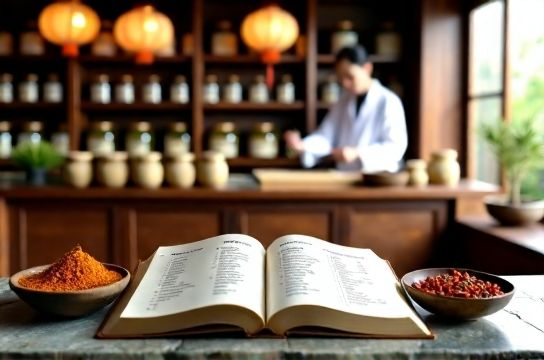
As someone who’s spent over a decade reviewing herbal products and advising wellness clinics, I’ve seen both miracles and missteps. The truth? When used correctly, Chinese herbs can support everything from stress relief to better digestion. But without proper guidance, they can clash with medications or cause side effects.
Luckily, getting started safely is easier than you think. Here are my top 5 steps—backed by research and real-world use.
Step 1: Know What You’re Taking
Not all herbs are created equal. Some popular ones like Astragalus and Reishi are widely studied for immune support. Others, like Ma Huang (Ephedra), are restricted due to safety risks.
Check out this comparison of commonly used herbs:
| Herb (Latin Name) | Common Use | Research-Backed? | Safety Notes |
|---|---|---|---|
| Astragalus membranaceus | Immune support | Yes (NIH studies) | Generally safe; avoid with autoimmune conditions |
| Ganoderma lucidum (Reishi) | Stress & sleep | Yes | May interact with blood pressure meds |
| Zingiber officinale (Ginger) | Digestion | Yes | Safe in moderate doses |
| Ephedra sinica (Ma Huang) | Energy & weight loss | Limited | Banned in many countries; high risk |
Source: National Institutes of Health (NIH), World Health Organization (WHO)
Step 2: Consult a Licensed Practitioner
Here’s a hard truth: Google isn’t a TCM doctor. Traditional Chinese Medicine is based on pattern diagnosis—not symptoms alone. That means two people with insomnia might get completely different herb formulas.
In China, licensed TCM practitioners undergo 5+ years of training. Look for credentials like L.Ac. (Licensed Acupuncturist) or Dipl. OM (Diplomate of Oriental Medicine) in the U.S.
Step 3: Buy From Trusted Brands
The supplement industry is loosely regulated. A 2021 study found that 30% of herbal products had contaminants or didn’t match their label claims.
I recommend brands that offer:
- Third-party testing (look for NSF or USP seals)
- Transparent sourcing (e.g., organic, wildcrafted)
- Batch-specific lab reports
Step 4: Start Low, Go Slow
Your body needs time to adjust. Begin with one herb at a low dose. Track how you feel daily—energy, digestion, mood. If something feels off, stop and consult your practitioner.
Step 5: Watch for Interactions
Herbs aren’t “just natural”—they’re bioactive. For example, Reishi may enhance blood thinners, increasing bleeding risk. Always disclose herb use to your doctor, especially if you take prescription meds.
Bottom line: Chinese herbs can be powerful allies in your health journey—but only when used wisely. Do your homework, seek expert advice, and prioritize quality. Your body will thank you.