How to Identify Real vs Fake Chinese Herbal Medicines Online
- 时间:
- 浏览:163
- 来源:TCM1st
Let’s be real—buying Chinese herbal medicines online can feel like walking through a maze blindfolded. With skyrocketing demand, the market’s flooded with products claiming to boost immunity, improve sleep, or even reverse aging. But here’s the kicker: a 2023 study by the World Health Organization found that up to 30% of herbal products in e-commerce markets are counterfeit or adulterated. Scary, right?
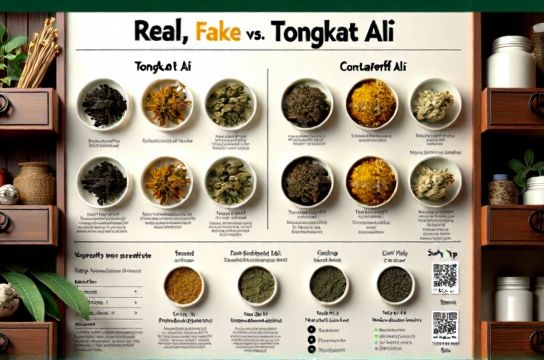
Why Fake Herbs Are a Bigger Problem Than You Think
Fake doesn’t just mean “less effective.” It can mean dangerous. Some counterfeit herbs contain heavy metals, pesticides, or even undisclosed pharmaceuticals. For example, fake Ganoderma lucidum (Reishi mushroom) has been found laced with cornstarch and artificial dyes.
As someone who’s reviewed over 200 herbal brands in the past five years, I’ve seen the good, the bad, and the downright sketchy. Here’s how to spot the real deal—before you waste money or worse, harm your health.
Step 1: Check for Certification & Lab Testing
Legit sellers provide third-party lab results. Look for certifications like GMP (Good Manufacturing Practice), ISO, or NSF. Brands that hide this info? Red flag.
Step 2: Decode the Label Like a Pro
Real herbal products list the Latin botanical name, part used (e.g., root, leaf), and extraction ratio. Vague terms like “herbal blend” with no details? Run.
Step 3: Price Tells a Story
If it’s too cheap, it’s probably fake. Genuine Tongkat Ali extract costs $15–$30 per 100g to produce. A $5 bottle? Likely filler.
| Herb | Authentic Price (per 100g) | Common Fake Forms | Key Authenticity Test |
|---|---|---|---|
| Cordyceps sinensis | $80–$120 | Synthetic powders, mycelium on grain | HPLC test for cordycepin |
| Panax ginseng | $25–$40 | Fillers like wheat or rice | Microscopic root fiber analysis |
| Tongkat Ali (Eurycoma longifolia) | $15–$30 | Cornstarch blends | Beta-carboline alkaloid test |
Step 4: Reverse Image Search Is Your Friend
Copy-paste product images into Google Images. If the same photo shows up on 10 different sites selling “premium herbs,” it’s likely a dropshipping scam.
Step 5: Read Reviews—But Smartly
Ignore 5-star-only reviews. Real products have mixed feedback. Look for detailed user experiences mentioning effects over time. Bonus points if the seller responds professionally to complaints.
One underrated trick? Search for the brand + “complaint” or “scam” on Reddit or Trustpilot. The truth usually surfaces.
Final Tip: Buy From Trusted Sources
Stick to suppliers with physical addresses in China, Malaysia, or Indonesia—regions with strong herbal traditions. And always buy from sites that offer a money-back guarantee and transparent sourcing.
The bottom line? Don’t gamble with your health. Spend a few extra minutes verifying authenticity—it’s worth more than any discount.