Best Practices for Buying and Storing Chinese Medicinal Herbs
- 时间:
- 浏览:134
- 来源:TCM1st
If you're diving into the world of natural wellness, you've probably heard about the powerful benefits of Chinese medicinal herbs. But here’s the real talk: not all herbs are created equal—and how you buy and store them can make or break their effectiveness. As someone who’s spent over a decade consulting in holistic health and working with herbal suppliers across Asia, I’ve seen it all—from moldy goji berries to expired ginseng. Let me save you time, money, and potential health risks with these pro tips.
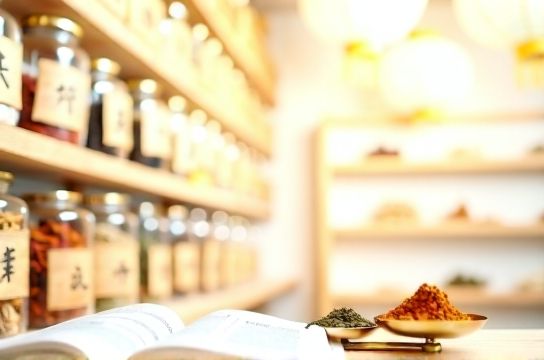
Buy Smart: What to Look For
The first rule? Source matters. A 2022 study by the American Herbal Products Association found that up to 30% of herbal products in mainstream markets had contaminants or incorrect labeling. Scary, right? That’s why I always recommend buying from licensed TCM (Traditional Chinese Medicine) pharmacies or certified online vendors with transparent sourcing.
Here’s a quick checklist when purchasing:
- Origin transparency: Herbs from China’s Sichuan, Yunnan, or Jilin provinces are often top-tier due to ideal growing conditions.
- Appearance & smell: Dried herbs should be vibrant in color and have a fresh, earthy aroma—not musty or faded.
- Certifications: Look for GACP (Good Agricultural Collection Practice) or organic labels.
Top 5 Common Herbs: Quality vs. Low-Grade Comparison
| Herb | High-Quality Traits | Low-Grade Red Flags | Shelf Life (Proper Storage) |
|---|---|---|---|
| Goji Berries (Gou Qi Zi) | Bright red, plump, sweet-tart taste | Dull, shriveled, sour smell | 24 months |
| Asian Ginseng (Ren Shen) | Firm root, distinct aroma | Soft texture, no scent | 36 months |
| Astragalus (Huang Qi) | Yellow interior, fibrous texture | Dark spots, damp feel | 30 months |
| Dong Quai (Angelica sinensis) | Rich, aromatic odor | Moldy or bitter smell | 24 months |
| Licorice Root (Gan Cao) | Sweet taste, light yellow core | Bitter or stale flavor | 36 months |
Keep this table handy—seriously, screenshot it. It’ll help you spot quality differences fast, especially when shopping online where you can’t physically inspect the product.
Storage Secrets for Maximum Potency
You bought premium herbs—now don’t ruin them! Exposure to light, heat, and humidity degrades active compounds. My golden rule: airtight glass jars, dark cabinets, below 75°F (24°C).
For long-term storage, add silica gel packets (food-safe) to absorb moisture. And never, ever keep herbs near the stove or sink. I learned this the hard way when a batch of expensive cordyceps grew mold in just six weeks—total loss.
Also, avoid plastic bags. They trap moisture and can leach chemicals. Glass or ceramic containers are your best bet.
Final Tip: Rotate Your Stock
Use the “first in, first out” method. Label jars with purchase dates and aim to use most herbs within two years. While some roots like ginseng last longer, freshness = potency.
In short, treating your herbal medicine like fine tea or spices—not afterthoughts—will give you the best results. Do it right, and your body will thank you.