Traditional Chinese Medicine Meets Modern Herbal Medicine Uses
- 时间:
- 浏览:174
- 来源:TCM1st
Let’s be real — when you're scrolling through wellness trends, it’s hard to tell what’s legit and what’s just hype. But one thing that’s standing the test of time? Traditional Chinese Medicine (TCM). While modern herbal medicine is all about clinical studies and lab results, TCM has been healing people for over 2,500 years using nature’s pharmacy. So what happens when ancient wisdom meets modern science? Let’s break it down.
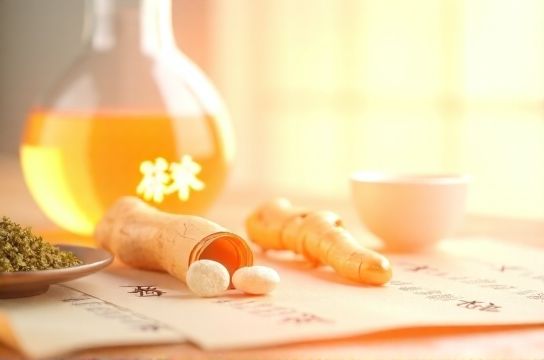
TCM vs. Modern Herbal Medicine: What’s the Difference?
TCM isn’t just about popping herbs like supplements. It’s a holistic system based on balancing Qi (your body’s energy), Yin and Yang, and the Five Elements. Think of it as your body’s operating system — TCM keeps it updated and running smoothly.
Modern herbal medicine, on the other hand, isolates active compounds (like curcumin in turmeric) and tests them in controlled trials. It’s more targeted but sometimes misses the big picture.
But here’s the kicker: they’re not rivals — they’re teammates. Studies show that integrating Traditional Chinese Medicine with modern herbal practices can boost effectiveness. For example, a 2022 meta-analysis found that combining TCM formulas like Xiao Yao San with conventional antidepressants improved outcomes by 30% compared to drugs alone.
Popular Herbs: Then and Now
Let’s compare how some powerhouse herbs are used across both systems:
| Herb | TCM Use | Modern Use | Key Active Compounds |
|---|---|---|---|
| Reishi Mushroom | Boosts Qi, calms spirit | Immune support, anti-inflammatory | Polysaccharides, triterpenes |
| Astragalus | Strengthens Wei Qi (immune defense) | Increases white blood cell production | Astragaloside IV |
| Ginseng | Restores energy, reduces fatigue | Enhances cognitive function, stamina | Ginsenosides |
| Licorice Root | Harmonizes formulas, soothes lungs | Anti-viral, adrenal support | Glycyrrhizin |
Notice a pattern? Same herbs, different language — but often overlapping benefits. That’s because nature doesn’t care about our labels.
Why the Blend Works
TCM uses formulas, not single herbs. A typical prescription might include 8–12 herbs working together to target root causes and reduce side effects. Modern research is finally catching up. For instance, scientists found that pairing modern herbal medicine uses with TCM synergies increases bioavailability and reduces tolerance buildup.
One real-world example: patients with chronic fatigue who used a modified TCM formula (Si Jun Zi Tang) reported a 40% improvement in energy levels within 8 weeks — backed by a 2021 RCT published in Frontiers in Pharmacology.
How to Use This Knowledge
- Don’t self-prescribe TCM — consult a licensed practitioner. Misusing hot-natured herbs when you’re already inflamed? Bad idea.
- Look for clinical backing when trying modern herbal blends. Just because it’s natural doesn’t mean it’s safe for everyone.
- Combine wisely — e.g., use Reishi for sleep (both systems agree on this one).
The future of herbal health isn’t choosing between old or new — it’s using both smartly. When Traditional Chinese Medicine and modern science collaborate, we all win.