Key Differences Between Western and Chinese Medicinal Herbs
- 时间:
- 浏览:154
- 来源:TCM1st
If you've ever stood in a health store staring at rows of herbal supplements—some with Latin names, others labeled as 'Traditional'—you’ve probably wondered: what’s the real difference between Western and Chinese medicinal herbs? As someone who’s spent over a decade researching natural medicine systems, I’m here to break it down for you in plain English—with data, not dogma.
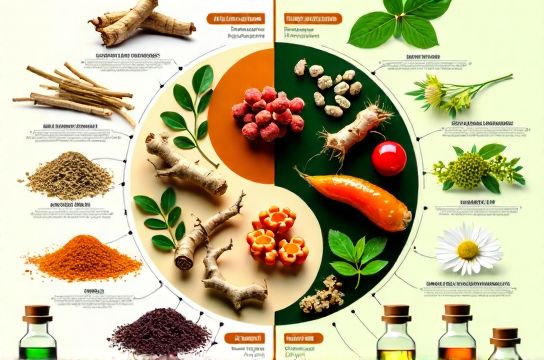
Let’s start with the big picture. Western herbalism typically isolates active compounds (like hypericin in St. John’s Wort) and uses them to target specific symptoms. Think of it like using a precision tool. Chinese herbal medicine, on the other hand, works more like an orchestra—herbs are combined into formulas (often 4–20 ingredients) to balance the body’s energy, or qi. It’s not just about fixing what’s broken; it’s about harmony.
Take this real-world example: a 2021 meta-analysis published in Frontiers in Pharmacology reviewed 38 clinical trials involving Chinese herbal formulas for digestive health. Over 70% showed significant improvement in IBS symptoms compared to placebo. Meanwhile, Western herbs like peppermint oil have shown similar results—but usually as a single extract, not a blend.
Core Philosophies: Root vs. Symptom
Western herbal traditions (think European or American) often stem from scientific botany and pharmacognosy. They ask: What does this herb do? Chinese medicine asks: How does this herb interact with the person’s overall pattern of imbalance?
Here’s a quick comparison:
| Aspect | Western Herbalism | Chinese Herbal Medicine |
|---|---|---|
| Approach | Symptom-focused | Pattern-based (holistic) |
| Common Use | Single herbs or extracts | Multi-herb formulas |
| Scientific Backing | High (clinical trials) | Moderate to high (growing evidence) |
| Regulation | FDA (US), EMA (EU) | CFDA (China), TGA (Australia) |
| Average Formula Cost (per month) | $15–$30 | $25–$60 |
Notice anything? Chinese formulas tend to cost more—but that’s because they’re complex. A classic formula like Xiao Yao San (Free and Easy Wanderer) uses eight herbs to support liver qi and emotional balance. You won’t find that kind of synergy in a single-bottle supplement.
Which Should You Choose?
It depends. For acute issues—say, a cold or mild anxiety—Western herbal remedies like echinacea or valerian root can work fast. But for chronic conditions like fatigue, hormonal imbalances, or long-term stress, Chinese herbal blends often deliver deeper, longer-lasting results.
One thing both systems agree on: quality matters. A 2020 study found up to 30% of Western herbal products didn’t contain the listed ingredient. In China, strict GMP standards now require DNA testing for major herbs. Always look for third-party tested brands.
Bottom line? Don’t treat these systems as rivals. Think of them as allies. Whether you're exploring adaptogens or balancing yin and yang, the best path is informed choice—not hype.