How to Read Labels When Buying Chinese Herbal Medicines
- 时间:
- 浏览:147
- 来源:TCM1st
So you're diving into the world of Chinese herbal medicines — awesome choice. But let’s be real: walking into a shop or scrolling online, you’re hit with names like *Lian Hua Qing Wen* or *Dang Gui*, and the label looks like a chemistry exam. Don’t panic. As someone who’s spent over a decade reviewing herbal products and advising wellness brands, I’ve decoded the fine print so you don’t have to.
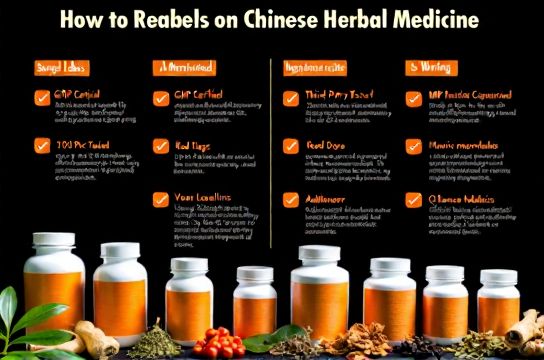
Why Label Literacy Matters
Not all herbal supplements are created equal. A 2021 study published in Phytomedicine found that nearly 30% of tested Chinese herbal products either lacked labeled ingredients or contained unlisted fillers. Scary, right? That’s why reading labels isn’t just smart — it’s essential for safety and effectiveness.
What to Look For (and Skip)
Here’s your quick-reference guide to trustworthy labeling:
| Feature | Good Sign ✅ | Red Flag ❌ |
|---|---|---|
| Ingredient List | Full botanical names (e.g., Rehmannia glutinosa) | Vague terms like 'herbal blend' or 'proprietary mix' |
| Standardization | Specifies active compounds (e.g., 5% astragaloside IV) | No mention of potency or extract ratios |
| Manufacturer Info | Clear address, contact, GMP-certified facility | Missing or fake addresses |
| Third-Party Testing | Seals from NSF, USP, or ISO certification | No verification logos |
Real Talk: Decoding Common Terms
You’ll often see phrases like 'extract ratio' — say, 10:1. That means 10 kg of raw herb went into 1 kg of extract. Higher ratios usually mean more concentrated (and often pricier) formulas. Also, watch for 'additives': magnesium stearate or silicon dioxide aren’t necessarily bad, but they dilute potency.
If the product claims to treat serious conditions like cancer or diabetes? Run. Legitimate Chinese herbal medicines support wellness — they don’t replace prescriptions.
Pro Tip: Follow the Batch Number
Every quality product has a batch or lot number. It’s your traceability tool. If there’s ever a recall or contamination issue, this number lets you check if your bottle is affected. No batch number? That’s a hard pass.
And here’s a pro move: scan for QR codes on premium brands. Some now link directly to lab test results. Transparency = trust.
Final Word
Knowledge is your best defense. Whether you’re buying Gan Mao Ling for a cold or Astragalus for immunity, always read the label like your health depends on it — because it does. For deeper insights, check out our guide to sourcing safe herbal remedies online.