What You Should Know About Herbal Medicine Uses and Safety
- 时间:
- 浏览:136
- 来源:TCM1st
If you're diving into natural health, you've probably heard about herbal medicine uses—but are they safe? Do they actually work? As someone who's spent years reviewing clinical data and talking to integrative doctors, I’m here to break it down with real facts, not hype.
Herbal remedies aren’t new—they’ve been used for thousands of years across cultures. But just because something is “natural” doesn’t mean it’s risk-free. In fact, the World Health Organization (WHO) estimates that 80% of people worldwide rely on herbal products for some form of primary healthcare. That’s huge—but it also means we need to be smarter about how we use them.
Popular Herbs & What Science Says
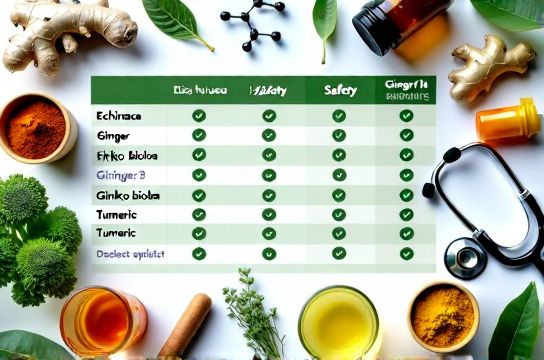
Let’s cut through the noise. Below is a table summarizing well-researched herbs, their common uses, and potential risks based on NIH and Cochrane review data:
| Herb | Common Use | Scientific Support | Risks/Side Effects |
|---|---|---|---|
| St. John’s Wort | Mild to moderate depression | High (comparable to SSRIs in some studies) | Interacts with birth control, antidepressants, blood thinners |
| Echinacea | Cold prevention | Moderate (may reduce duration by 1–1.5 days) | Allergic reactions, especially in kids |
| Valerian Root | Sleep support | Mixed evidence | Drowsiness, liver toxicity (rare) |
| Ginger | Nausea, inflammation | Strong (especially for pregnancy nausea) | Heartburn, blood thinning at high doses |
See the pattern? Some herbs pack a punch, while others are borderline placebo. And yes—herbal medicine safety is a real concern when mixing with prescriptions.
The Hidden Dangers No One Talks About
Here’s the tea: supplements aren’t regulated like drugs. In the U.S., the FDA doesn’t approve herbs for safety or efficacy before they hit shelves. A JAMA study found that 1 in 5 herbal products didn’t contain the herb listed on the label—some had fillers like wheat or rice, which can be dangerous for people with allergies.
Also, more isn’t always better. Take kava, once popular for anxiety. It was banned in several countries due to links with liver damage. Just because it’s sold at your local Whole Foods doesn’t mean it’s safe long-term.
How to Use Herbal Medicine Wisely
Want to stay safe? Follow these three rules:
- Talk to your doctor—especially if you’re pregnant, nursing, or on meds.
- Buy from brands with third-party testing (look for USP, ConsumerLab, or NSF seals).
- Start low, go slow. Track how you feel for at least two weeks.
And remember: herbal medicine uses should complement—not replace—proven medical treatments. Think of them as tools, not magic bullets.
Bottom line? Herbs can help, but knowledge is your best medicine.