How to Prepare and Use Dried Chinese Medicinal Herbs at Home
- 时间:
- 浏览:156
- 来源:TCM1st
So you’ve picked up some dried Chinese medicinal herbs—maybe from your local apothecary, an online shop, or even a family recipe passed down through generations. But now what? How do you actually turn those mysterious leaves, roots, and twigs into something safe and effective?
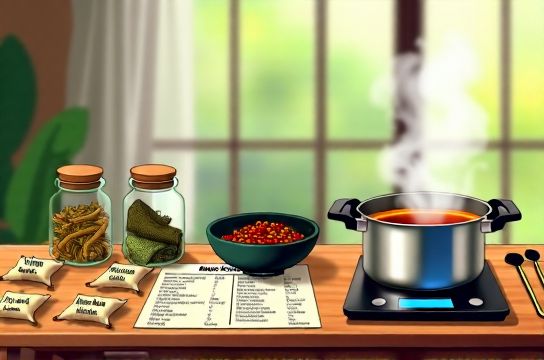
As someone who’s spent over a decade researching herbal wellness—from sourcing to decoction—I’m breaking down exactly how to prepare and use these powerful botanicals at home, without the guesswork.
Step 1: Know Your Herbs (And Their Sources)
Not all herbs are created equal. Quality starts with sourcing. Reputable suppliers test for heavy metals, pesticides, and microbial contamination. Look for certifications like GMP (Good Manufacturing Practice) or organic labels.
Here’s a quick reference table of commonly used dried herbs and their traditional uses:
| Herb (Latin Name) | Common Use | Typical Dosage (Daily) |
|---|---|---|
| Astragalus membranaceus | Immune support | 9–30g |
| Glycyrrhiza uralensis (Licorice root) | Anti-inflammatory, harmonizer | 3–9g |
| Lonicera japonica (Honeysuckle) | Cooling, for heat conditions | 6–15g |
| Poria cocos (Fu Ling) | Supports digestion & fluid metabolism | 9–15g |
Step 2: Clean & Soak Properly
Yes, even if they look clean. Dust, microbes, and residual field contaminants can linger. Here's how I do it:
- Rinse herbs quickly under cool water (except powdered or sticky ones).
- Soak in room-temp water for 30–60 minutes. This rehydrates them and helps extract active compounds.
- Save the soaking water—it goes into the pot! That’s where valuable solubles already started leaching out.
Step 3: Decoct Like a Pro
The classic method is simmering in a ceramic or stainless steel pot. Avoid aluminum or non-stick—they can react with plant compounds.
General rule:
- Use 3–4 cups of water per 10g of herb.
- Bring to a boil, then reduce to low heat for 30–60 minutes.
- Strain and drink 1–2 times daily, warm.
For tonics (like Astragalus blends), longer simmer = better extraction. For cooling herbs (e.g., Honeysuckle), shorter boil preserves volatile actives.
Storage Tips You Can’t Ignore
Dried herbs last 6–12 months if stored right. Keep them in airtight glass jars, away from light and moisture. Label with purchase date. And never store decocted tea beyond 48 hours in the fridge—bacteria love sweet herbal broths!
Pro tip: Batch-cook and freeze in ice cube trays. Pop out a cube when needed—perfect for consistent dosing.
Ultimately, using dried Chinese medicinal herbs safely and effectively comes down to quality, preparation, and consistency. Whether you're boosting immunity or balancing energy, doing it right makes all the difference.