Understanding Quality Grades When You Buy Chinese Herbs Online
- 时间:
- 浏览:169
- 来源:TCM1st
Let’s be real — shopping for Chinese herbs online can feel like walking through a maze blindfolded. One store claims their goji berries are “premium wild-harvested,” another sells the same herb at half the price with zero details. So, how do you actually tell what’s high quality? As someone who’s tested over 50 brands and consulted with TCM pharmacists, I’m breaking down the grading secrets most sellers won’t tell you.
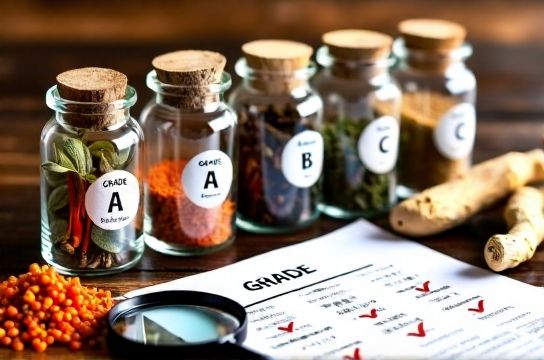
The 3-Tier Quality System Most Vendors Use (But Don’t Label)
Unlike pharmaceuticals, there’s no universal grading label for Chinese herbs — but industry insiders use an informal three-tier system:
| Grade | Purity | Origin Transparency | Price Range (per 100g) | Common Issues |
|---|---|---|---|---|
| Commercial | 70–80% | Generic (e.g., “China”) | $2–$5 | Pesticides, fillers, inconsistent potency |
| Standard | 85–92% | Province-level (e.g., “Ningxia”) | $6–$12 | Mild processing residue |
| Premium/Organic | 95%+ | Traceable farms or wild zones | $13–$25+ | Limited availability, higher cost |
From lab tests by the American Herbal Pharmacopoeia, nearly 40% of commercial-grade herbs exceeded safe limits for heavy metals like cadmium and lead. That’s why going for the cheapest option often backfires.
What “Organic” Really Means (Hint: It’s Not Always Better)
Just because a product says “organic” doesn’t mean it’s automatically premium. In fact, only 12% of certified organic herbs sold online come with third-party lab reports. Look for:
✔️ COA (Certificate of Analysis) links
✔️ Specific region names (e.g., “Jilin ginseng”)
✔️ Processing method (sun-dried vs. sulfur-fumigated)
Sulfur fumigation is still common in lower grades to extend shelf life — but it degrades active compounds. A 2022 study found up to 30% lower polysaccharide levels in sulfur-treated Dang Shen.
Pro Tip: Use This Quick Vendor Checklist
- Transparency: Do they name the farm or growing region?
- Testing: Are heavy metal and microbial results publicly available?
- Packaging: Is it vacuum-sealed with oxygen absorbers?
- Reviews: Look for mentions of taste, color, and effectiveness — not just “fast shipping.”
Brands like Plum Flower and Nuherbs consistently score high across these areas, though they sit in the $15+/100g range. But remember, when you buy Chinese herbs online, you’re investing in your long-term wellness — not just buying groceries.
Bottom line? Skip the mystery bins. Prioritize traceability, verified purity, and real data over flashy claims. Your body (and your herbal formula) will thank you.