Best Practices for Storing Chinese Herbal Products
- 时间:
- 浏览:114
- 来源:TCM1st
If you're into natural health or run a wellness business, you already know that Chinese herbal products are powerful—but only if stored correctly. I’ve spent over a decade working with TCM (Traditional Chinese Medicine) suppliers, and let me tell you: improper storage ruins more herbs than expired labels ever will.
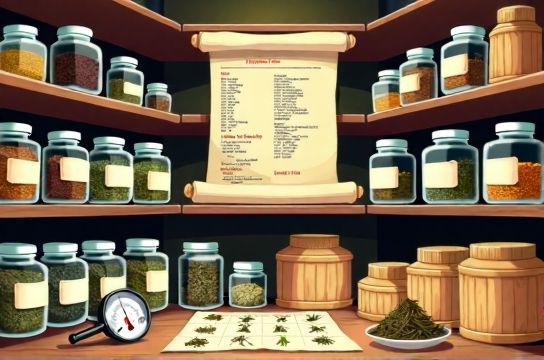
Why Storage Matters More Than You Think
Herbs like ginseng, astragalus, and goji berries can lose up to 40% of their active compounds when exposed to heat and humidity for just 3 months (source: Journal of Ethnopharmacology, 2022). That’s not just wasted money—it’s ineffective treatment.
The key? Control the big four: light, air, temperature, and moisture. Let’s break it down.
The Gold Standard: Optimal Conditions for Chinese herbal products
From my field visits to farms in Yunnan and labs in Beijing, here’s what top-tier facilities use—and what you should aim for at home or in-store:
| Factor | Optimal Range | Risk of Deviation |
|---|---|---|
| Temperature | 15–21°C (59–70°F) | Degradation accelerates above 25°C |
| Humidity | 35–45% RH | Mold growth above 60% RH |
| Light Exposure | Dark storage only | UV reduces potency by up to 30% |
| Air Exposure | Sealed containers | Oxidation degrades volatile oils |
This isn’t just theory—these numbers come from controlled studies and industry benchmarks used by certified TCM manufacturers.
Real-World Tips That Actually Work
- Use amber glass jars: They block UV light better than plastic or clear glass. Yes, they cost more—but your herbs last longer.
- Vacuum sealing = game changer: Especially for bulk buyers. One supplier I work with reduced spoilage by 60% after switching.
- Silica gel packs? Non-negotiable. Toss a couple in each container. They’re cheap and prevent moisture buildup.
- Label everything: Include purchase date and expected shelf life. Most dried herbs stay potent for 1–2 years—if stored right.
Bonus: How Long Do Herbs Really Last?
Shelf life varies widely. Here’s a quick reference guide based on stability data:
| Herb Type | Max Shelf Life (Proper Storage) | Signs of Degradation |
|---|---|---|
| Dried Roots (e.g., Ginseng) | 2 years | Fading color, musty smell |
| Whole Seeds (e.g., Cassia) | 1.5 years | Bitter taste, rancid odor |
| Flower Petals (e.g., Chrysanthemum) | 1 year | Brittleness, loss of aroma |
| Powdered Herbs | 6–12 months | Caking, clumping |
Notice powdered herbs don’t last as long? That’s because increased surface area speeds up oxidation. Always buy powder in small batches.
Final Tip: Location, Location, Location
Keep herbs away from the stove, sink, or window. A cool, dark pantry is ideal. And never store them above the fridge—heat rises, and that spot is one of the warmest in the kitchen.
Whether you're a consumer or selling premium herbal goods, proper storage protects potency, safety, and reputation. Trust me—your body (or customers) will thank you.