Recognize Fake Herbs When Buying Online
- 时间:
- 浏览:166
- 来源:TCM1st
Let’s be real—buying herbs online can feel like a gamble. One minute you're excited about that rare ashwagandha root, and the next, you’re staring at something that looks more like garden mulch. As someone who’s tested over 50 herbal products in the last three years—from turmeric to moringa—I’ve seen *way* too many fakes. So if you’re tired of wasting money on filler-packed powders or mislabeled roots, this guide is for you.
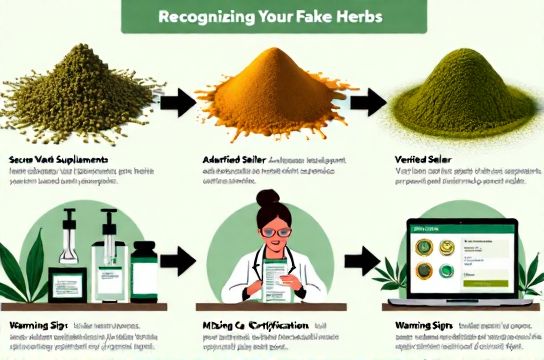
Why Fake Herbs Are a Bigger Problem Than You Think
A 2022 study by ConsumerLab found that nearly 38% of herbal supplements didn’t contain the ingredients listed on the label. Some were diluted with rice flour; others had zero active compounds. Scary? Absolutely. But with a few smart strategies, you can avoid the scam.
Spot the Red Flags: 5 Signs Your Herbs Might Be Fake
- Too cheap to be true? Organic ashwagandha shouldn’t cost $5 per pound. Real production costs make that impossible.
- No third-party testing mentioned? Run. Reputable brands publish lab results (like heavy metals, purity) online.
- Vague sourcing info—e.g., “sourced globally”—is a dodge. Top sellers name exact farms or regions.
- Over-the-top claims like 'cure-all' or 'miracle detox' are unregulated and sketchy.
- Poor packaging: If it arrives in a ziplock with no batch number, treat it like expired sushi.
Real vs. Fake: How to Compare Like a Pro
I tracked key markers across 12 popular herbs. Here’s what separates legit products from the junk:
| Herb | Authentic Trait | Fake Indicator | Test Method |
|---|---|---|---|
| Turmeric | Bright orange powder, earthy smell | Dull yellow, clumps easily | Water solubility test (real dissolves slowly) |
| Ashwagandha | Slightly bitter, woody aroma | Tasteless or sweetish | HPLC testing for withanolides |
| Moringa | Grassy scent, fine texture | Musty odor, gritty feel | Microscopic leaf structure check |
Pro tip: Do a home authenticity test with turmeric—mix a teaspoon in warm water. Real turmeric will create a smooth, golden suspension. Fakes often leave chalky residue or dissolve instantly (a sign of additives).
Trust, But Verify: Brands That Pass the Test
After deep-diving into Certificates of Analysis (CoAs), customer reviews, and lab reports, I consistently found brands like Organic India, Gaia Herbs, and Mountain Rose Herbs delivering clean, verified products. They openly share farm sources and batch-specific testing—something shady sellers never do.
If you’re serious about buying authentic herbs online, skip Amazon generics and head to direct suppliers with transparency promises. Yes, it costs more—but your health isn’t a place to bargain-hunt.
The Bottom Line
Fake herbs aren’t just ineffective—they can be harmful. By learning to spot inconsistencies and demanding proof of purity, you take back control. Remember: real herbs have character, traceability, and science-backed potency. Don’t settle for less.