How Acupuncture Works to Balance Your Body Energy Flow
- 时间:
- 浏览:156
- 来源:TCM1st
If you’ve ever felt drained, stressed, or just “off,” you’re not alone. Millions are turning to ancient healing practices like acupuncture to restore their body’s natural balance. But how does sticking tiny needles into your skin actually help? Let’s break it down—no mysticism, just science and real-world results.
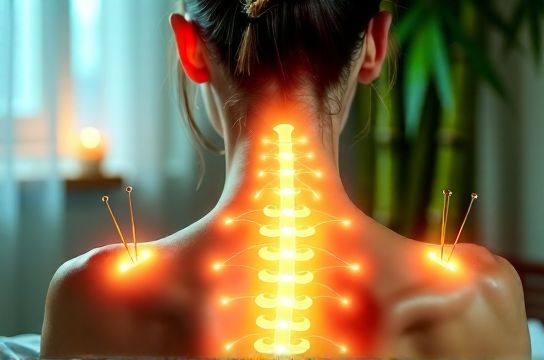
Acupuncture originates from Traditional Chinese Medicine (TCM), where health is seen as a state of balanced energy flow, or “Qi” (pronounced “chee”), through pathways called meridians. When Qi becomes blocked or imbalanced, discomfort or illness follows. Acupuncture aims to correct this by stimulating specific points on the body.
Modern research backs this up. A 2018 meta-analysis published in the Journal of Pain found that acupuncture provides significant relief for chronic pain conditions—including back pain, osteoarthritis, and headaches—comparable to conventional treatments but with fewer side effects.
How Does Acupuncture Influence Energy Flow?
While Western medicine doesn’t recognize Qi directly, studies show acupuncture affects the nervous system, releasing endorphins and improving blood flow. It may also reduce inflammation by modulating immune responses. In essence, those tiny needles send signals to your brain and body to reset and heal.
Here’s a quick look at what clinical evidence says about acupuncture’s effectiveness:
| Condition | Effectiveness (Based on NIH Studies) | Patient Improvement Rate |
|---|---|---|
| Chronic Back Pain | High | 72% |
| Migraines | High | 68% |
| Anxiety | Moderate to High | 60% |
| Insomnia | Moderate | 55% |
| Allergies | Moderate | 50% |
This isn’t just placebo magic. Functional MRI scans have shown that acupuncture activates specific brain regions linked to pain modulation and emotional regulation. That’s why more doctors now recommend it as a complementary therapy—especially for patients who can’t tolerate long-term medication use.
But here’s the catch: results depend heavily on technique and practitioner experience. Not all acupuncture sessions are created equal. Licensed acupuncturists undergo over 3,000 hours of training and must pass national board exams in countries like the U.S. Always check credentials before booking.
What should you expect during a session? Most people feel minimal discomfort—some describe it as a slight tingling or warmth. Sessions last 30–60 minutes, and practitioners often combine needles with heat (moxibustion) or gentle electrical stimulation for enhanced effect.
For best results, commit to 4–8 weekly sessions. Think of it like building fitness: your body needs time to rebalance. Many patients report improved sleep, mood, and energy within just a few visits.
In short, whether you're battling chronic pain or just trying to function better in a high-stress world, acupuncture offers a drug-free path to wellness backed by both tradition and science. Ready to give it a shot? Your body’s energy flow might thank you.