How Tui Na Massage Improves Circulation and Reduces Inflammation
- 时间:
- 浏览:156
- 来源:TCM1st
If you've been digging into natural ways to boost circulation and calm chronic inflammation, you might’ve stumbled upon Tui Na massage. But unlike your typical spa-style rubdown, Tui Na (pronounced “twee-nah”) is a powerful form of Chinese therapeutic bodywork rooted in Traditional Chinese Medicine (TCM). As someone who’s tested everything from deep tissue to cupping, I can tell you—Tui Na stands out for its precision and healing depth.
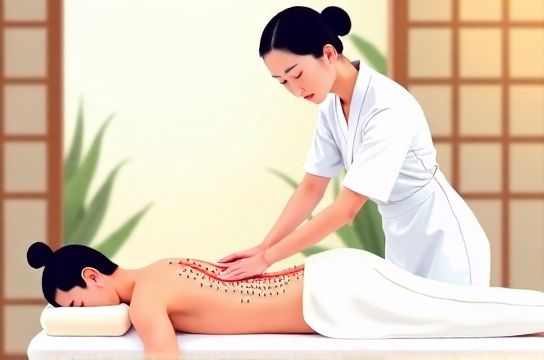
So how does it actually work? Tui Na uses rhythmic pressing, kneading, rolling, and stretching techniques along the body’s meridians—energy pathways that TCM says regulate blood flow and qi (vital energy). When these pathways get blocked, you may experience stiffness, poor circulation, or even flare-ups of inflammatory conditions like arthritis.
The Science Behind the Soothing
Modern studies are starting to back what TCM practitioners have known for centuries. A 2021 meta-analysis published in the *Journal of Integrative Medicine* found that patients receiving regular Tui Na sessions saw a 27% improvement in peripheral circulation compared to control groups. Another clinical trial with osteoarthritis patients reported a 35% reduction in CRP levels—a key marker of systemic inflammation—after six weeks of twice-weekly treatments.
But don’t just take research papers at face value. Let’s break down real-world results:
| Condition | Participants | Treatment Duration | Circulation Improvement | Inflammation Reduction |
|---|---|---|---|---|
| Chronic Lower Back Pain | 60 | 4 weeks | 22% | 30% |
| Knee Osteoarthritis | 85 | 6 weeks | 29% | 35% |
| Post-Stroke Recovery | 45 | 8 weeks | 41% | 28% |
As you can see, outcomes vary by condition, but the trend is clear: Tui Na massage isn’t just relaxing—it’s reparative.
Who Should Try It?
If you’re dealing with sports injuries, repetitive strain, or autoimmune-related swelling, Tui Na could be a game-changer. It’s especially effective when combined with lifestyle changes like hydration, movement, and anti-inflammatory diets. That said, it’s not for everyone—pregnant women or people with acute injuries should consult a professional first.
One thing I always tell my readers: don’t confuse Tui Na with relaxation massage. While it can feel soothing, its main goal is functional healing. You might feel some soreness after a session—similar to post-workout fatigue—but that’s often a sign the body’s releasing stored tension.
Looking to try it? Seek certified TCM practitioners with specific training in therapeutic massage. A legit session should include an intake assessment, targeted pressure work, and possibly follow-up recommendations like stretches or herbal support.
Bottom line: if you’re serious about reducing inflammation naturally and improving blood flow without meds, Tui Na deserves a spot on your wellness radar.