Key Differences Between Western Herbs and Chinese Medicinals
- 时间:
- 浏览:137
- 来源:TCM1st
If you've ever stood in a health store staring at bottles of echinacea, ashwagandha, and ginseng—wondering which actually works—you're not alone. As a holistic wellness blogger who’s spent over a decade comparing herbal traditions, I’ve dug deep into the science and stories behind Western herbs and Chinese medicinals. Spoiler: they’re not interchangeable.
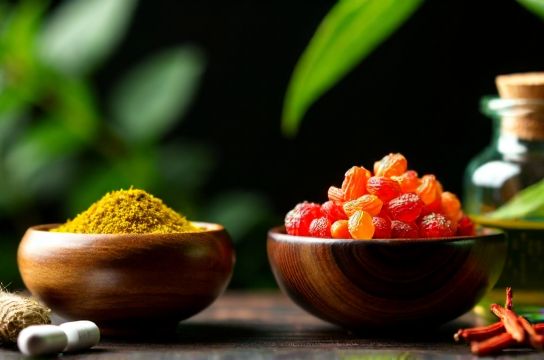
Western herbalism tends to focus on single-plant remedies with measurable active compounds—think peppermint for digestion or valerian for sleep. It’s symptom-first, often backed by clinical trials. Chinese herbal medicine, however, operates on a system of patterns. You don’t just treat a headache—you treat Liver Qi stagnation or Yin deficiency causing that headache. It’s holistic, dynamic, and usually involves formulas with 6–15 ingredients working synergistically.
Let’s break it down with real data:
Core Philosophies Compared
| Aspect | Western Herbs | Chinese Medicinals |
|---|---|---|
| Approach | Symptom-targeted | Pattern-based diagnosis |
| Evidence Type | Clinical trials (RCTs) | 2,000+ years of case records |
| Common Use | Single herbs (e.g., St. John’s Wort) | Formulas (e.g., Xiao Yao San) |
| Regulation | FDA dietary supplement rules | Pharmacopoeia standards (China, Taiwan) |
| Active Compound Focus | Yes (e.g., hypericin) | Rarely isolated—emphasizes synergy |
Take ginseng: both traditions use it, but differently. Western herbalists favor *Panax quinquefolius* (American ginseng) for energy, citing studies showing improved mental performance (Zheng et al., 2018). In TCM, *Ren Shen* (also Panax ginseng) is used only in cases of Spleen Qi deficiency—and often paired with licorice and astragalus to prevent overheating.
Quality matters. A 2021 study tested 40 retail herbal products: 32% of Western supplements had fillers or mislabeled species (Source: NIH Office of Dietary Supplements). Meanwhile, China’s Pharmacopoeia mandates DNA barcoding for 98% of listed herbs—making bulk TCM materials some of the most traceable in the world.
So which should you choose? If you want fast relief for a cold, reach for elderberry syrup (backed by a meta-analysis in Complementary Therapies in Medicine). But if you’re dealing with chronic fatigue, insomnia, and digestion issues? A licensed TCM practitioner might prescribe a formula like Liu Wei Di Huang Wan, tailored to your constitution.
The bottom line: neither system is 'better.' They’re tools. Think of Western herbs as precision scalpels and Chinese medicinals as full-body tune-ups. Blend wisely, consult pros, and always check sourcing.