How to Read Labels on Chinese Herbal Medicines Correctly
- 时间:
- 浏览:120
- 来源:TCM1st
So you’ve picked up a bottle of Chinese herbal medicine—maybe for immunity, digestion, or just general wellness. But let’s be real: the label looks like a secret code only a pharmacist could crack. Don’t worry, I’ve been there too. As someone who’s spent over a decade researching and reviewing natural health products, I’m breaking down exactly how to read labels on Chinese herbal medicines like a pro.
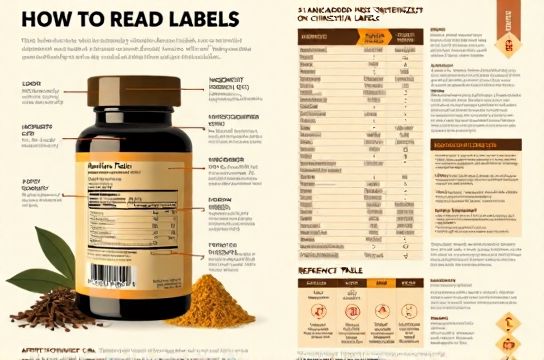
Why Label Transparency Matters
Not all herbal supplements are created equal. In a 2021 study by the Journal of the American Medical Association, nearly 40% of herbal products tested didn’t match their labeled ingredients—some contained fillers, contaminants, or even unlisted allergens. Scary, right?
That’s why knowing what to look for isn’t just smart—it’s essential for your safety.
Key Info You Should Always Check
Here’s what every trustworthy Chinese herbal product label should include:
| Label Component | What It Tells You | Red Flags |
|---|---|---|
| Botanical Name (Latin) | Ensures correct plant species (e.g., Rehmannia glutinosa) | Vague names like 'herbal blend' or only common names |
| Part Used | Root, leaf, seed? Potency varies by plant part | Not specified |
| Standardized Extract Ratio | e.g., 5:1 means 5kg raw herb = 1kg extract | No ratio or 'proprietary blend' without details |
| Country of Origin | Indicates growing conditions and quality control | Missing or vague (e.g., 'imported') |
| Third-Party Testing | Look for GMP, NSF, or ISO certification logos | No verification seals |
Decode the Dosage Section
You’ll often see something like: 'Take 2 capsules daily, each containing 500mg of Astragalus membranaceus root extract (10:1).' That 10:1 ratio? That’s gold. It means it took 10 grams of raw herb to make 1 gram of extract—so you’re getting concentrated benefits.
But beware of brands that list 'proprietary blends' totaling 1,000mg but don’t disclose individual herb amounts. They might be hiding low doses behind filler herbs. Sneaky.
Real Example: Comparing Two Popular Brands
Let’s say you’re looking at two Chinese herbal supplements for immune support:
- Brand A: Lists Astragalus membranaceus root extract (10:1), 500mg per capsule, GMP certified, made in China.
- Brand B: Says 'Immune Boost Blend'—no Latin name, no extract ratio, no third-party testing.
Even if Brand B is cheaper, Brand A wins on transparency and potency. Your body deserves better than guessing games.
Final Tip: Look Beyond the Bottle
Still unsure? Scan for a QR code or batch number that links to lab test results. Reputable companies now offer full traceability. And if you're serious about holistic health, learn how to read labels on Chinese herbal medicines the right way—it’s your first line of defense.
Stay informed, stay healthy.