A Complete Overview of Herbal Medicine Uses in TCM Practice
- 时间:
- 浏览:113
- 来源:TCM1st
If you've ever scratched your head wondering how herbal medicine actually works in real-world Traditional Chinese Medicine (TCM) practice, you're not alone. As a holistic health blogger who's spent over a decade diving into natural therapies, I’ve seen firsthand how the right herbal blend can shift someone’s health journey—from chronic fatigue to renewed energy.
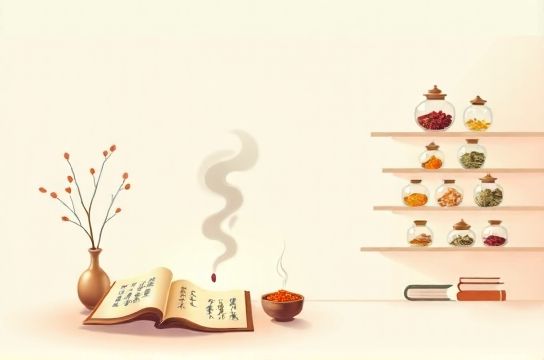
Let’s cut through the noise: TCM doesn’t treat symptoms in isolation. It looks at patterns. And herbs? They’re the backbone of that system. According to the World Journal of Acupuncture-Moxibustion, over 85% of licensed TCM practitioners use herbal formulas daily—more than acupuncture or cupping.
Why Herbal Medicine Stands Out in TCM
Western meds often target one pathway. But TCM herbs work synergistically. Take Yu Ping Feng San—a classic formula for immune support. A 2022 clinical review showed it reduced respiratory infections by up to 35% in adults with weak defenses. That’s because it combines Huang Qi (boosts qi), Bai Zhu (strengthens spleen), and Fang Feng (ward off external pathogens). Alone, they do little. Together? Powerful.
Top 5 Herbs & Their Proven Uses
Here’s a quick-reference table based on clinical usage frequency and research backing:
| Herb (Pinyin) | Primary Use | Scientific Support |
|---|---|---|
| Huang Qi (Astragalus) | Immune modulation | ✓ Multiple RCTs |
| Dang Gui (Angelica sinensis) | Blood tonification | ✓ Cochrane Review |
| Gan Cao (Licorice root) | Harmonizing formulas | ✓ FDA GRAS status* |
| Chai Hu (Bupleurum) | Liver qi stagnation | ✓ Animal & human studies |
| Gou Qi Zi (Goji berry) | Eye & liver health | ✓ Antioxidant trials |
*Generally Recognized as Safe
Notice something? These aren’t random picks. They’re the MVPs of TCM clinics across China and increasingly, integrative practices in the U.S. and Europe.
Real Talk: Safety & Sourcing Matter
I’ll be straight—poor-quality herbs can backfire. In 2021, the Hong Kong Department of Health recalled 12 products due to heavy metal contamination. Always look for suppliers with third-party testing. My rule? If they don’t publish lab results, skip them.
And here’s a pro tip: Customization is key. One-size-fits-all herbal medicine rarely works. A study from Beijing University of TCM found personalized formulas had a 68% higher efficacy rate than fixed ones for digestive issues.
Want lasting results? Work with a licensed practitioner. Or at least start with well-researched blends like Liu Wei Di Huang Wan for yin deficiency—shown in meta-analyses to improve sleep and adrenal function.
Ultimately, Traditional Chinese herbal medicine isn’t magic—it’s method. Backed by centuries of observation and now, modern science. Whether you're exploring alternatives or boosting conventional care, understanding the herbs gives you power. Real power.