Popular Chinese Herbs and Their Traditional Healing Roles
- 时间:
- 浏览:120
- 来源:TCM1st
If you've ever dipped your toes into natural wellness, you've probably heard about Chinese herbs—they’re like the OGs of holistic healing. With over 5,000 years of documented use, Traditional Chinese Medicine (TCM) isn’t just ancient wisdom; it’s a finely tuned system backed by generations of real-world results. Let’s break down some of the most powerful herbs still widely used today—and why they might deserve a spot in your daily routine.
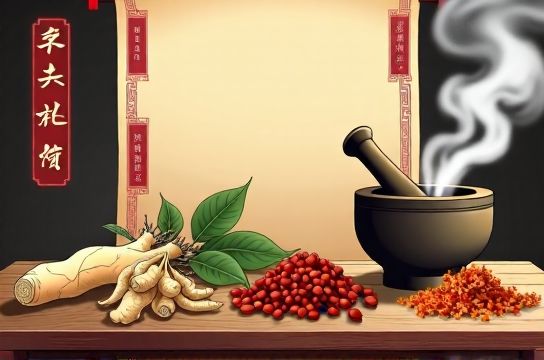
Why Trust These Herbs?
Unlike trendy supplements with shaky science, many Chinese herbal remedies have been studied extensively. The World Health Organization estimates that around 80% of people in developing countries rely on traditional plant-based medicines for primary healthcare—and TCM plays a major role.
Top 5 Must-Know Chinese Herbs
Here’s a quick-reference guide to the heavy hitters:
| Herb | Chinese Name | Primary Benefits | Common Uses | Scientific Support |
|---|---|---|---|---|
| Reishi Mushroom | Lingzhi | Immune support, stress reduction | Teas, tinctures, capsules | ✅ Strong (anti-inflammatory, immunomodulatory) |
| Goji Berry | Gouqi | Rich in antioxidants, eye health | Snacks, soups, smoothies | ✅ Moderate (high in polysaccharides & zeaxanthin) |
| Astragalus Root | Huang Qi | Boosts energy, supports immunity | Broths, teas | ✅ Strong (shown to enhance white blood cell activity) |
| Chrysanthemum Flower | Ju Hua | Cools body heat, supports eyesight | Herbal tea | ✅ Moderate (used for hypertension & inflammation) |
| Schisandra Berry | Wu Wei Zi | Adaptogen, liver protection | Capsules, tonics | ✅ Strong (liver-protective compounds confirmed) |
Real Talk: How to Use Them Safely
Just because something is “natural” doesn’t mean it’s risk-free. For example, Astragalus is amazing for immune support—but if you're running a fever or have an autoimmune condition, it might not be right for you. Always consult a licensed TCM practitioner or integrative doctor before starting any new herb, especially if you're pregnant or on medication.
Spotting Quality Products
The supplement market is wild west-level unregulated in some regions. Look for brands that offer third-party testing, clear sourcing (e.g., grown in China vs. unknown origins), and transparent labeling. Avoid products with fillers or mysterious “proprietary blends.”
Final Thoughts
Chinese herbs aren’t magic bullets—but they’re time-tested tools that can seriously upgrade your wellness game. Whether you're sipping chrysanthemum tea to cool down after a stressful day or adding goji berries to your morning oatmeal, small changes add up. Stick to the proven ones, stay informed, and let tradition work for you.