Quality Check How to Spot Fake Chinese Herbal Medicines
- 时间:
- 浏览:171
- 来源:TCM1st
If you're into natural health or have been exploring traditional Chinese herbal medicines, you’ve probably heard stories—some scary, some surprising—about fake herbs flooding the market. And honestly? It’s a real problem. With global demand for Chinese herbs hitting over $50 billion annually (according to Statista), it’s no wonder unscrupulous suppliers are cashing in with counterfeit products. But as someone who’s spent years reviewing herbal supply chains, I’m here to help you spot the fakes—and protect your health.
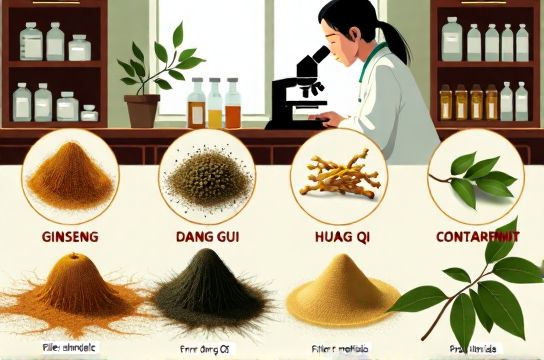
Why Fake Herbs Are More Common Than You Think
Fake or adulterated herbal medicine isn’t just about swapping one plant for another. Sometimes it’s filler-heavy powders, expired stock, or even toxic substitutes. A 2021 study by the World Health Organization found that 1 in 5 traditional herbal products tested globally were either contaminated or mislabeled.
The most commonly faked herbs? Dang Gui (Angelica sinensis), Huang Qi (Astragalus), and Ren Shen (Ginseng) top the list. These are prized for their energy-boosting and immune-supporting properties—making them high-value targets for fraud.
Red Flags That Scream “Fake”
- Price too good to be true? Genuine wild-sourced Ren Shen can cost $100+ per ounce. If it’s $20, walk away.
- Vague labeling — No botanical name, origin, or batch number? Big red flag.
- Inconsistent texture or smell — Real Dang Gui has a strong, slightly sweet aroma. If it smells like hay or nothing at all, it might be old or fake.
Lab-Tested vs. Market-Bought: The Reality Check
To show you the difference, here’s a quick comparison of authentic versus suspect samples based on third-party lab testing:
| Herb | Authentic Sample (Active Compound) | Suspect Sample (Detected Level) | Adulteration Found |
|---|---|---|---|
| Ren Shen (Ginseng) | Ginsenosides: 4.2% | 0.3% | Rice flour filler + synthetic boost |
| Dang Gui | Ligustilide: 1.8% | 0.2% | Substituted with Ligusticum spp. |
| Huang Qi | Astragaloside IV: 0.5% | 0.05% | Diluted with soybean powder |
See the pattern? Active compounds in fake versions are often 90% lower than genuine ones. That means you’re paying premium prices for zero results—or worse, side effects.
How to Buy Smart: 3 Pro Tips
- Buy from GMP-certified suppliers — Look for Good Manufacturing Practice certification. It’s not perfect, but it’s a baseline.
- Ask for COAs (Certificates of Analysis) — Reputable sellers provide third-party lab reports. No report? No sale.
- Check for traceability — Can they tell you where the herb was grown, harvested, and processed? Transparency = trust.
The bottom line? Not all Chinese herbal medicines are created equal. But with a little knowledge and the right questions, you can avoid the fakes and get the real healing benefits you’re after.