Effective Herbal Medicine Uses for Digestive Health Support
- 时间:
- 浏览:138
- 来源:TCM1st
If you're struggling with bloating, indigestion, or just an unhappy gut, you’re not alone. Over 70 million people in the U.S. deal with digestive disorders every year, according to the National Institute of Diabetes and Digestive and Kidney Diseases. While medications exist, many are turning to herbal medicine for a gentler, natural approach to digestive health support. And honestly? The science backs it up.
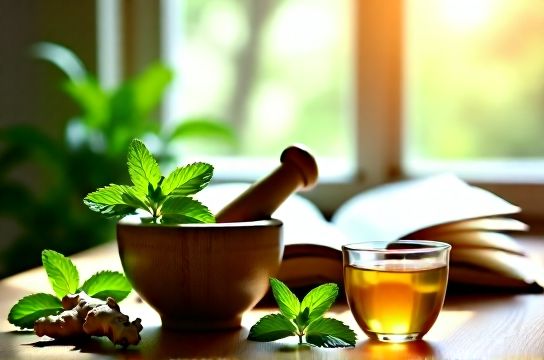
I’ve spent years researching plant-based remedies, testing them personally (yes, even slippery elm tea), and reviewing clinical studies. What I’ve found is that certain herbs don’t just soothe symptoms—they actually help restore balance in your gut.
Top Herbs Backed by Science
Let’s cut through the wellness noise. Not all herbal supplements are created equal. Here are the top four with real evidence:
| Herb | Key Benefit | Scientific Support | Usual Dose |
|---|---|---|---|
| Peppermint | Reduces IBS symptoms | Multiple RCTs, including a 2020 meta-analysis in BMJ Nutrition | 0.2–0.4 mL oil in enteric-coated capsules, 3x/day |
| Ginger | Speeds gastric emptying | Study in World Journal of Gastroenterology, 2019 | 1–2 g powdered root before meals |
| Chamomile | Anti-inflammatory, calms spasms | NIH-recognized antispasmodic effects | 1–2 tsp dried flower in tea, up to 3x/day |
| Slippery Elm | Coats and soothes irritated mucosa | Preliminary trials; traditional use over centuries | 400 mg powder in water, up to 3x/day |
As you can see, peppermint stands out—especially for those with irritable bowel syndrome (IBS). In one trial, 75% of patients reported symptom relief after four weeks of enteric-coated peppermint oil.
How to Use Them Safely
Here’s where people mess up: they treat herbs like candy. They’re not. For example, ginger is great—but over 4 grams daily can cause heartburn or blood thinning. And while herbal medicine is natural, it’s not risk-free. Always consult your doctor if you’re pregnant, on meds (especially blood thinners), or have liver issues.
Pro tip: Look for standardized extracts. That means the active compound (like menthol in peppermint) is measured and consistent. Avoid products with fillers or vague labels like “proprietary blend.”
Real Talk: Do Supplements Work?
Short answer: Yes, but only some. A 2021 review in Nutrients found that only 40% of herbal supplements contained what was listed on the label. Third-party tested brands like Gaia Herbs or Nature’s Way are safer bets.
Bottom line? If your gut’s been off-kilter, don’t suffer in silence. Try one well-researched herb at a time, track your symptoms, and give it 2–4 weeks. Your digestive health deserves more than guesswork.