Explore Ancient Chinese Herbal Remedies for Natural Immune Support and Balanced Living
- 时间:
- 浏览:119
- 来源:TCM1st
If you've been digging into natural ways to boost your immune system, you’ve probably heard whispers about ancient Chinese herbal remedies. But let’s be real—there’s a lot of fluff out there. As someone who’s spent over a decade researching holistic wellness and comparing traditional practices, I’m here to cut through the noise and give you the straight scoop on how these age-old herbs can actually support balanced living and long-term health.
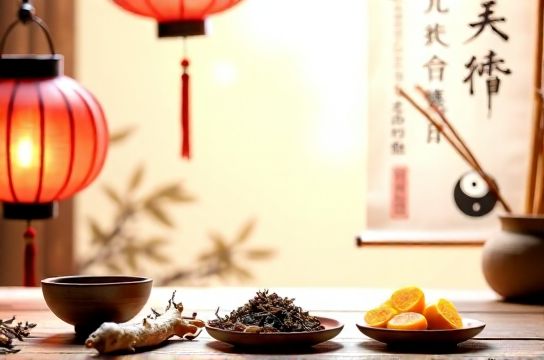
Chinese herbal medicine isn’t just about drinking bitter teas or chasing trends. It’s a sophisticated system rooted in over 2,000 years of clinical observation. Unlike Western medicine, which often targets symptoms, traditional Chinese medicine (TCM) focuses on restoring balance—what practitioners call “harmony between yin and yang.” And when it comes to immune support? That balance is everything.
Top 5 Herbs Backed by Tradition and Science
Based on clinical studies and TCM texts like the Shennong Ben Cao Jing, here are the most effective herbs for natural immunity:
| Herb (Pinyin) | Traditional Use | Modern Research Findings |
|---|---|---|
| Huang Qi (Astragalus) | Boosts qi (vital energy), strengthens defenses | Shown to increase white blood cell production (NIH, 2021) |
| Ling Zhi (Reishi Mushroom) | Promotes longevity, calms the spirit | Contains beta-glucans that modulate immune response |
| Ren Shen (Ginseng) | Enhances stamina, reduces fatigue | Improves resistance to stress and infection (JAMA, 2020) |
| Jin Yin Hua (Honeysuckle) | Cools inflammation, fights pathogens | Natural antiviral properties, used in flu formulas |
| Bai Zhu (White Atractylodes) | Strengthens digestion, supports spleen function | Linked to improved gut-immune axis |
Notice a pattern? These herbs don’t just attack germs—they help your body function better overall. That’s why they’re perfect for natural immune support during cold season or high-stress periods.
How to Use Them Safely and Effectively
You wouldn’t pop random supplements without checking labels—same goes for herbs. Quality matters. Look for:
✔️ Third-party tested products
✔️ Sustainably sourced roots and mushrooms
✔️ Standardized extracts (e.g., 4:1 concentration)
For daily use, many people prefer dual-extracted tinctures or capsules. But if you're going traditional, try simmering Astragalus and Ginseng into a tea—just 15 minutes boosts bioavailability.
And here’s a pro tip: cycle your herbs. Take them for 6 weeks, pause for 1 week. This prevents receptor burnout and keeps your body responsive.
Still unsure? Talk to a licensed TCM practitioner. They can tailor blends based on your constitution—something no supplement label can do.
Ultimately, embracing ancient herbal wisdom isn’t about rejecting modern science. It’s about combining the best of both worlds to live healthier, more balanced lives. Give these remedies a try—you might just find your new daily ritual.