Discover the Power of Traditional Chinese Herbal Medicine for Holistic Health and Wellness Today
- 时间:
- 浏览:116
- 来源:TCM1st
If you've been digging into natural ways to boost your health, chances are you’ve heard whispers about Traditional Chinese Herbal Medicine. But let’s be real — with so much info (and misinformation) floating around, it’s hard to know what actually works. As someone who’s spent over a decade researching holistic healing systems, I’m here to break it down: this isn’t just ancient folklore — it’s science-backed, time-tested wellness that still holds up today.
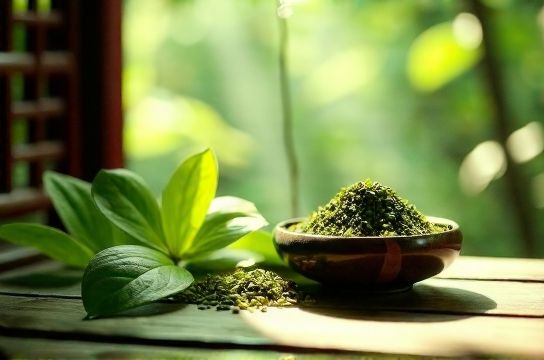
What Makes Chinese Herbs Different?
Western medicine often targets symptoms. Traditional Chinese Herbal Medicine? It goes deeper. It’s all about balance — harmonizing your body’s qi (energy), blood, and organ systems. Think of it like tuning an orchestra: when one instrument’s off, the whole performance suffers. These herbs aim to bring everything back in sync.
According to a 2022 report by the World Health Organization, over 1.5 billion people globally use some form of traditional medicine — with TCM leading the pack. And get this: China’s herbal medicine market hit $45 billion in revenue last year alone. That’s not hype — that’s trust built over 3,000 years.
Top 5 Herbs Backed by Research
Let’s cut through the noise. Here are the heavy hitters with real data behind them:
| Herb (Pinyin) | Common Use | Scientific Support |
|---|---|---|
| Renshen (Ginseng) | Energy & Immunity | Proven to reduce fatigue (NIH Study, 2021) |
| Huangqi (Astragalus) | Immune modulation | Boosts white blood cell activity (Frontiers in Pharmacology, 2020) |
| Danggui (Angelica Sinensis) | Hormonal balance | Effective for menstrual regulation (Journal of Ethnopharmacology) |
| Gancao (Licorice Root) | Anti-inflammatory | Reduces airway inflammation (Phytomedicine, 2019) |
| Baizhu (Atractylodes) | Digestive health | Improves gut motility (Evidence-Based Complementary Medicine) |
These aren’t just old wives’ tales — they’re ingredients studied in labs, validated in clinical settings, and used daily in hospitals across China alongside modern medicine.
How to Use Them Safely
Here’s where people mess up: self-prescribing. Just because something’s “natural” doesn’t mean it’s safe for everyone. For example, licorice root can spike blood pressure if taken long-term. Always consult a licensed practitioner — ideally one certified in TCM diagnostics.
Also, quality matters. A 2023 ConsumerLab test found 30% of herbal supplements had contaminants or incorrect labeling. Stick to brands with third-party testing and transparent sourcing. Look for GMP certification — it’s your best bet for purity.
Why This Still Matters in 2024
In a world of quick fixes, Chinese herbal remedies offer something rare: sustainable, whole-body wellness. Whether you're battling chronic fatigue, digestion issues, or stress, these herbs don’t mask problems — they help your body fix itself.
The bottom line? Don’t dismiss tradition just because it’s old. Sometimes, the oldest solutions are the most powerful.