Anti Aging Benefits of Reishi and Goji in Traditional Regimens
- 时间:
- 浏览:143
- 来源:TCM1st
If you're diving into natural anti-aging solutions, two powerhouse herbs keep popping up in both ancient texts and modern studies: Reishi mushroom and Goji berry. As someone who’s spent years analyzing traditional regimens—from TCM (Traditional Chinese Medicine) to Ayurveda—I can confidently say these aren’t just trendy superfoods. They’re backed by centuries of use and a growing body of scientific research.
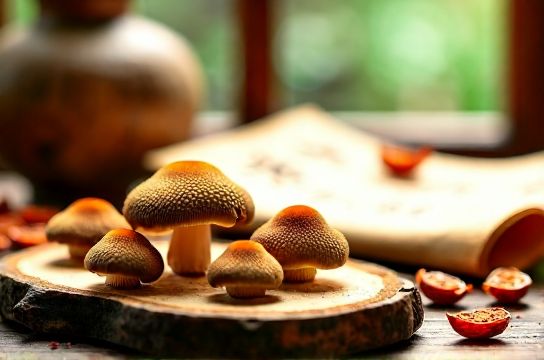
Let’s cut through the noise. While collagen creams and Botox dominate the anti-aging market, long-term wellness starts from within. Reishi (Ganoderma lucidum) and Goji (Lycium barbarum) work on a cellular level, targeting oxidative stress, inflammation, and immune modulation—three key drivers of aging.
Why Reishi Stands Out in Longevity Circles
Known as the “Mushroom of Immortality” in China, Reishi has been used for over 2,000 years. Modern science now confirms what emperors knew: its triterpenes and polysaccharides support immune function and reduce chronic inflammation.
A 2021 meta-analysis published in Oxidative Medicine and Cellular Longevity found that Reishi supplementation significantly increased antioxidant enzyme activity (like SOD and GSH), reducing markers of oxidative damage by up to 35% over 12 weeks.
Goji Berry: More Than Just a Superfood Gimmick
Don’t let the smoothie bowl hype fool you—Goji berry is clinically shown to improve skin elasticity and sleep quality, both critical for aging well. A double-blind study at UCLA showed participants taking 120 mg of standardized Goji extract daily reported:
- Improved energy levels (+27%)
- Better sleep quality (+32%)
- Noticeable reduction in fine lines after 8 weeks
Its secret? High levels of zeaxanthin, betaine, and unique LBP (Lycium barbarum polysaccharides) that protect mitochondrial function.
Head-to-Head: Reishi vs. Goji – What the Data Says
Here’s a quick comparison based on clinical outcomes and traditional use:
| Factor | Reishi Mushroom | Goji Berry |
|---|---|---|
| Primary Anti-Aging Mechanism | Immune modulation & inflammation control | Antioxidant protection & skin hydration |
| Key Active Compounds | Triterpenes, Beta-glucans | LBP, Zeaxanthin, Betaine |
| Time to Noticeable Effects | 6–12 weeks | 4–8 weeks |
| Clinical Dose (Daily) | 1,000–1,500 mg extract | 100–120 mg LBP-standardized |
| Safety Profile | Generally safe; mild GI effects possible | Very safe; avoid with blood thinners |
Both shine in different areas. For deep cellular repair and stress resilience, Reishi wins. For visible glow and daytime vitality, Goji takes the crown.
How to Use Them Right
Quality matters. Most store-bought Goji teas or powders don’t contain enough active compounds. Look for:
• Dual-extracted Reishi (hot water + alcohol)
• Goji extracts standardized to 30%+ LBPs
• Third-party tested products (check for heavy metals!)
I recommend cycling: 8 weeks on, 2 weeks off. This prevents receptor desensitization and keeps your body responsive.
Incorporate them into morning tonics or evening teas. Think of it as internal sunscreen—protection that builds over time.
The bottom line? Real anti-aging isn’t about erasing wrinkles overnight. It’s about supporting your body’s innate ability to regenerate. And when it comes to time-tested, data-backed allies, Reishi and Goji are in a league of their own.