Powerful Antioxidant Herbs That Slow Aging and Oxidative Damage
- 时间:
- 浏览:114
- 来源:TCM1st
If you're chasing that elusive fountain of youth, let me tell you—your spice rack might be hiding the secret. As a wellness blogger who’s tested everything from adaptogens to obscure Amazonian roots, I’ve found that certain antioxidant herbs don’t just sound trendy—they actually deliver real, science-backed results in fighting oxidative stress and slowing aging.
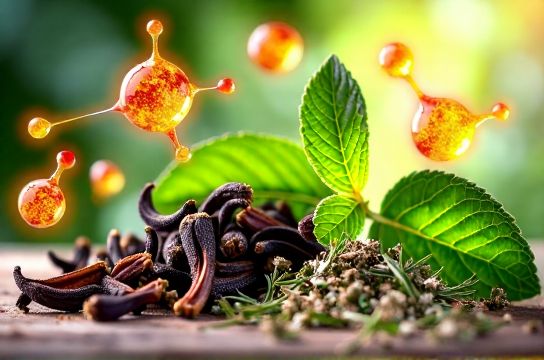
Oxidative damage? Think of it like rust inside your cells. Free radicals build up from pollution, stress, UV rays, and even metabolism. Over time, they mess with your DNA, proteins, and lipids—speeding up aging and raising disease risk. But here’s the good news: nature packed some serious firepower into plants.
After reviewing clinical studies and ORAC (Oxygen Radical Absorbance Capacity) data from the USDA, I’ve narrowed down the top antioxidant-rich herbs you should know. These aren’t just kitchen extras—they’re cellular bodyguards.
Top Antioxidant Herbs & Their ORAC Values
The ORAC score measures how well a substance neutralizes free radicals. Higher number = more protective power. Here’s how these herbs stack up per 100g:
| Herb | ORAC Value (μmol TE/100g) | Key Antioxidants |
|---|---|---|
| Cloves | 290,283 | Eugenol, Gallic acid |
| Oregano | 200,127 | Rosmarinic acid, Thymol |
| Sage | 165,850 | Carnosic acid, Rosmarinic acid |
| Thyme | 144,800 | Thymol, Lutein |
| Rosemary | 110,650 | Carnosic acid, Carnosol |
Yep, cloves crush blueberries (which clock in around 9,621). And oregano? It’s got 30x the antioxidants of broccoli. Mind blown? Mine was.
Why These Herbs Work
Taking cloves, for example. That intense flavor comes from eugenol, which lab studies show reduces inflammation and protects liver cells. One 2020 study in Phytotherapy Research found clove extract lowered oxidative markers in diabetic rats by 42% in just 4 weeks.
Then there’s oregano. Beyond pizza seasoning, its rosmarinic acid has been shown in human trials to reduce LDL oxidation—a key step in preventing arterial plaque. In one double-blind study, participants taking oregano extract had 18% less oxidized LDL after 8 weeks.
Sage and rosemary? They cross the blood-brain barrier. Yup—these herbs may actually protect your brain. Carnosic acid in rosemary activates Nrf2 pathways, turning on your body’s natural detox genes. Researchers at UCLA are even exploring it for Alzheimer’s prevention.
How to Use Them Daily
- Add ground cloves to oatmeal or smoothies (¼ tsp max—strong stuff!)
- Use fresh oregano in salads, dressings, or roasted veggies
- Brew sage tea for memory support (1 tsp dried leaves per cup)
- Infuse olive oil with rosemary and thyme for cooking
Pro tip: Always choose organic, fresh or freeze-dried herbs when possible. Drying can concentrate antioxidants—but avoid old, faded spices. They lose potency.
Bottom line? You don’t need expensive supplements. The most powerful anti-aging tools might already be in your pantry. Start sprinkling—your cells will thank you.