Quality Assurance in Herbal Manufacturing Using GMP
- 时间:
- 浏览:146
- 来源:TCM1st
If you're diving into the world of herbal supplements—whether as a consumer, entrepreneur, or health enthusiast—you’ve probably heard the term GMP thrown around. But what does it really mean when we talk about GMP in herbal manufacturing? And why should you care? Let’s break it down with real data, practical insights, and zero fluff.
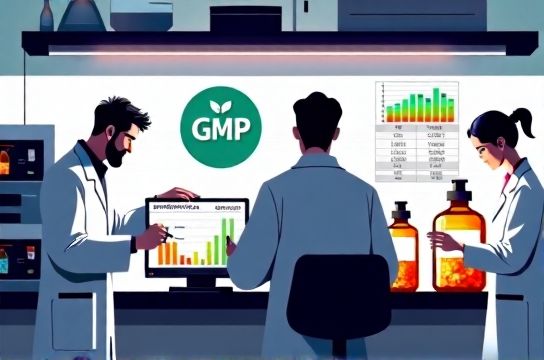
GMP, or Good Manufacturing Practice, isn’t just a fancy label. It’s a globally recognized system that ensures products are consistently produced and controlled according to quality standards. In the herbal industry, where ingredients come straight from nature (and sometimes sketchy sources), GMP is your first line of defense against contamination, mislabeling, and ineffective formulas.
Why GMP Matters More Than Ever
The global herbal supplements market was valued at over $100 billion in 2023 (Grand View Research) and is growing fast. With growth comes risk—more players mean more corners cut. A 2022 study published in JAMA Network Open found that nearly 80% of herbal products from non-GMP facilities had either adulteration or incorrect labeling.
Compare that to GMP-certified manufacturers, where error rates drop below 5%. That’s not luck—that’s process.
What GMP Actually Controls in Herbal Production
GMP isn’t one rule—it’s a full framework. Here’s what gets monitored under certified facilities:
| Control Area | GMP Requirement | Impact on Quality |
|---|---|---|
| Raw Material Sourcing | Identity testing via HPLC or DNA barcoding | Prevents substitution (e.g., cheap fillers for herbs) |
| Facility Hygiene | Regular microbial swab tests | Reduces contamination risk (mold, E. coli) |
| Batch Documentation | Full traceability from farm to bottle | Enables recalls and audits |
| Personnel Training | Certified staff handling production | Ensures consistency and compliance |
See the difference? This isn’t optional paperwork—it’s science-backed quality control.
How to Spot Real GMP vs. Fake Claims
Here’s a pro tip: Just because a label says “GMP-compliant” doesn’t mean squat. Look for actual certification logos from bodies like the US FDA, Health Canada, or WHO-GMP. Better yet, check the manufacturer’s website for their certification number.
I once audited two suppliers claiming GMP status—one had a valid NSF certificate; the other? A blurry PDF they emailed at midnight. Guess which one I walked away from?
Final Thoughts: Trust, But Verify
When choosing herbal products—or manufacturing them—don’t just rely on marketing. Demand proof of quality assurance in herbal manufacturing. Ask for certificates, test results, and facility audit reports. Your health (or your brand’s reputation) depends on it.
In a market full of noise, GMP is the signal. Stay smart, stay verified.