Harmonizing Global Standards for Herbal Medicine Safety
- 时间:
- 浏览:143
- 来源:TCM1st
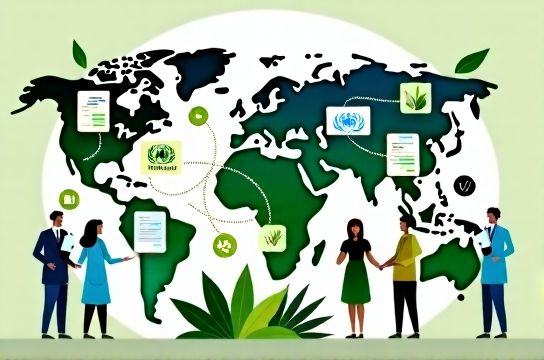
If you're diving into the world of herbal medicine—whether as a consumer, practitioner, or brand—you’ve probably noticed one big problem: there’s no global rulebook. What’s considered safe in Germany might be banned in Australia. One country calls it ‘natural healing’; another labels it an unapproved drug. So how do we make sense of this chaos? Let’s break down why harmonizing global standards for herbal medicine safety isn’t just helpful—it’s essential.
Why Standardization Matters Now More Than Ever
The global herbal supplements market is projected to hit $153 billion by 2028 (Grand View Research, 2023). With rising demand comes greater risk—especially when regulation varies wildly. Take St. John’s Wort, for example. It’s freely sold over-the-counter in the U.S. and parts of Europe, but in Japan, it’s classified as a prescription-only pharmaceutical due to drug interaction risks.
This patchwork system confuses consumers and hampers innovation. That’s where international cooperation steps in. Organizations like the World Health Organization (WHO) and Pharmacopoeial Discussion Group (PDG) are pushing for unified guidelines—but progress is slow.
A Snapshot of Key Markets & Their Rules
To understand the gap, here's a quick comparison of how major regions regulate herbal products:
| Country/Region | Regulatory Body | Status of Herbal Products | Key Requirement |
|---|---|---|---|
| United States | FDA | Dietary Supplements | GRAS status or DSHEA compliance |
| European Union | EMA | Traditional Herbal Medicinal Products | THMPD registration needed |
| China | NMPA | Traditional Chinese Medicine (TCM) | Clinical data + TCM theory alignment |
| India | Ayush Ministry | AYUSH drugs | Classified under Ayurveda, Siddha, Unani |
| Japan | PMDA | Kampo Extracts (prescription) | Approved under Pharmaceutical Affairs Law |
As you can see, even basic categorization differs—some treat herbs as food, others as medicine. This affects everything from labeling to clinical claims.
The Push for Harmonization: Real Progress?
The WHO has been leading the charge with its Global Strategy on Traditional Medicine 2014–2023, which encouraged member states to integrate traditional systems into national health frameworks. The follow-up plan for 2025–2030 aims to go further by promoting quality control and cross-border recognition.
Meanwhile, the International Council for Harmonisation (ICH)—famous for aligning pharmaceutical standards—is now exploring whether its framework can extend to botanicals. Early discussions suggest yes, but only if key challenges like standardizing raw material sourcing and defining active compounds are solved.
One promising model? The European Directorate for the Quality of Medicines (EDQM) publishes monographs used across 39 countries. If more regions adopted such open-access standards, manufacturers could streamline production while ensuring safety.
What This Means for You
For consumers, harmonized standards mean clearer labels, fewer harmful interactions, and better product transparency. For brands, it opens doors to global markets without jumping through dozens of regulatory hoops.
But let’s be real: full alignment won’t happen overnight. Until then, look for third-party certifications like USP Verified, NSF International, or EMA-approved THMP marks. These act as mini-standards within the chaos.
And if you're serious about clean, safe herbal medicine, support policies that back international collaboration. Because when it comes to your health, herbal medicine safety shouldn’t depend on your zip code.