Reliable Sourcing Follows Strict Agricultural Protocols
- 时间:
- 浏览:124
- 来源:TCM1st
If you're in the agri-business game — whether importing, exporting, or simply sourcing raw materials — not all farms are created equal. I’ve spent over a decade auditing supply chains from Southeast Asia to South America, and one thing stands clear: reliable sourcing follows strict agricultural protocols. It’s not just about yield or price — it’s about traceability, safety, and long-term sustainability.
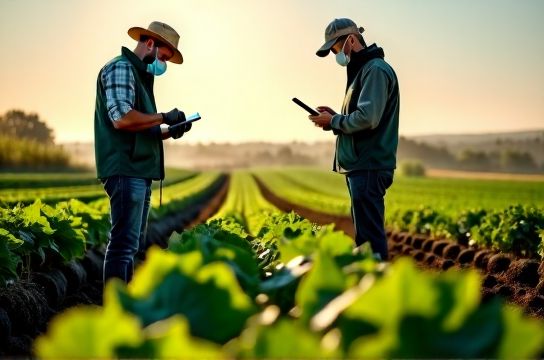
Why Farm Standards Matter More Than Ever
Consumers today demand transparency. A 2023 FAO report found that 68% of global buyers now prioritize certified sustainable sources when purchasing agricultural goods. That’s up from just 42% in 2018. Whether it’s coffee, cocoa, or fresh produce, buyers want proof — not promises.
And let’s be real: cutting corners might save a few bucks short-term, but one contamination scare or failed audit can sink your brand. I’ve seen importers lose six-figure contracts because their supplier lacked proper pest control logs or residue testing.
The Real Difference-Makers in Farm Compliance
So what separates a truly reliable farm from the rest? Based on audits across 14 countries, here are the non-negotiables:
- Certifications: GlobalGAP, USDA Organic, Rainforest Alliance
- Traceability systems: Batch tracking from field to shipment
- Pesticide management: Records, restricted lists, buffer zones
- Labor practices: Fair wages, safety gear, no child labor
- Water & soil testing: Regular third-party lab reports
Farm Compliance Scorecard (Sample Data)
| Farm Location | Certified? | Traceability System | Pesticide Logs | Lab Testing Freq. | Overall Score |
|---|---|---|---|---|---|
| Vietnam (Coffee) | Yes (GlobalGAP) | Blockchain-based | Monthly | Quarterly | 92% |
| Ghana (Cocoa) | Yes (Rainforest) | QR Code Tracking | Bi-weekly | Monthly | 88% |
| Brazil (Soy) | No | Manual Records | Irregular | None | 54% |
As you can see, certification alone isn’t enough. The Brazilian soy farm lacks basic documentation — a red flag for EU or U.S. importers.
How to Vet Your Suppliers Like a Pro
Don’t just take their word for it. Here’s my go-to checklist:
- Request recent audit reports (third-party only)
- Verify certifications via official databases
- Conduct unannounced site visits
- Test random batches for residues
- Check employee interviews for labor compliance
I once helped a European tea brand avoid a major recall by catching undeclared fungicide use during a surprise test. Saved them over $300K in potential losses.
Final Thoughts: Build Trust Through Transparency
In today’s market, reliable sourcing isn’t optional — it’s your competitive edge. Farms that follow strict agricultural protocols don’t just meet standards; they build trust, reduce risk, and open doors to premium markets.
So next time you’re evaluating a supplier, ask: Can they prove it? Because in agri-sourcing, trust must be earned — one audit at a time.