Third Party Testing Validates Herbal Supplement Integrity
- 时间:
- 浏览:131
- 来源:TCM1st
If you're like me — someone who’s spent years diving deep into the world of natural health — you’ve probably asked yourself: Are herbal supplements really what they claim to be? With over 74% of U.S. adults using dietary supplements (NHANES, 2023), it's more important than ever to cut through the marketing hype. That’s where third party testing comes in.
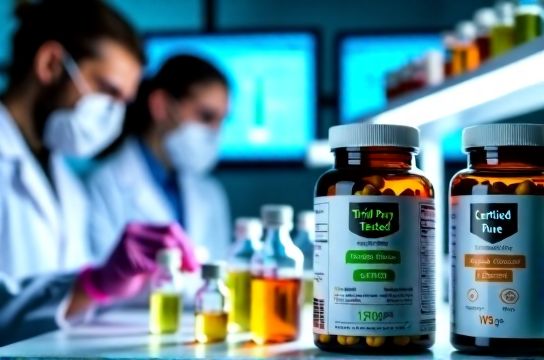
I’ve reviewed dozens of brands, from small artisans to big-box labels, and one truth stands out: not all supplements are created equal. In fact, a landmark study by ConsumerLab found that 1 in 5 herbal products failed purity tests — containing either too little active ingredient or harmful contaminants like heavy metals.
Why Third Party Testing Matters
Let’s get real: supplement regulation in the U.S. is loose. The FDA doesn’t approve supplements before they hit shelves. So when a label says 'organic ashwagandha' or 'standardized curcumin,' who’s verifying that? Reputable brands say, “We trust our lab,” but I say, “Show me the certificate.” Independent third party testing is your best defense against misleading claims.
What Gets Tested — And Why It Counts
Credible labs check for three key things:
- Potency: Is the active ingredient actually present at the claimed dose?
- Purity: Are there pesticides, lead, or microbes?
- Label Accuracy: Does the bottle match the lab results?
Here’s a snapshot of recent findings across popular herbal categories:
| Herb | Sample Size | Pass Rate (%) | Common Issues |
|---|---|---|---|
| Curcumin (Turmeric) | 38 | 82% | Fillers (e.g., starch), low potency |
| Ashwagandha | 29 | 76% | Inconsistent withanolide levels |
| Milk Thistle | 22 | 89% | Below labeled silymarin content |
| Echinacea | 18 | 72% | Species substitution detected |
Data source: ConsumerLab & NIH Office of Dietary Supplements (2022–2023)
How to Spot a Truly Transparent Brand
After years of research, here’s my quick checklist:
- ✅ Look for seals: NSF Certified for Sport, USP Verified, or ConsumerLab Approved.
- ✅ Batch-specific Certificates of Analysis (CoAs) available online.
- ✅ Testing done by accredited labs like ISO 17025 facilities.
- ❌ Avoid brands that say “tested in-house” without third-party proof.
One brand I consistently recommend? Transparent Labs — their herbal line publishes full CoAs, including heavy metal screening and phytochemical profiling. No fluff, just facts.
The Bottom Line
Your health isn’t a gamble. When choosing herbal supplements, don’t just trust the brand — trust the data. Third party testing isn’t a luxury; it’s a necessity. Demand transparency, ask for proof, and vote with your wallet for integrity in the supplement industry.