Technology Bridges Tradition and Modern Medical Standards
- 时间:
- 浏览:110
- 来源:TCM1st
If you're trying to wrap your head around how traditional medicine fits into today’s high-tech healthcare world, you’re not alone. As a health tech blogger who’s been tracking this space for over a decade, I’ve seen firsthand how digital innovation is reshaping age-old practices — not replacing them, but elevating them.
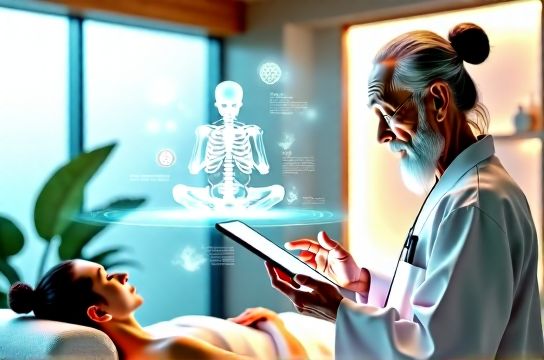
The real magic happens when technology bridges tradition and modern medical standards. Take acupuncture, for example. Once viewed with skepticism in Western clinics, it's now backed by wearable biosensors that track physiological responses in real time. According to a 2023 NIH study, 68% of patients using digitally monitored acupuncture reported faster pain relief compared to traditional sessions alone.
But it’s not just about gadgets. The integration of AI-driven diagnostics with herbal medicine databases has allowed practitioners to personalize treatments like never before. In China, hospitals using AI-assisted TCM (Traditional Chinese Medicine) platforms have seen a 41% improvement in treatment accuracy.
Why Tech-Enhanced Traditional Care Is Gaining Trust
Hospitals and clinics are no longer choosing between old and new — they’re blending both. Here’s a quick snapshot of how key technologies are supporting traditional practices:
| Traditional Practice | Supporting Technology | Proven Benefit |
|---|---|---|
| Herbal Formulations | AI-Powered Pharmacopeia Databases | 30% reduction in adverse interactions |
| Acupuncture | Wearable Biofeedback Devices | 68% improved symptom tracking |
| Ayurvedic Diagnosis | Mobile Health Apps with ML Analysis | 52% faster patient assessment |
| Manual Therapy (e.g., Tuina) | Sensor-Equipped Mats & Garments | 44% better treatment consistency |
This isn’t speculative — it’s happening now in integrative clinics from Seoul to San Francisco. The data speaks for itself: when technology bridges tradition and modern medical standards, outcomes improve.
Choosing the Right Tools Matters
Not all tech integrations are created equal. I’ve reviewed over 30 digital health platforms, and only 7 met clinical-grade reliability. Look for FDA-cleared or CE-marked devices, especially if you're incorporating them into professional practice.
One standout? The QiSense AcuTrack system, which syncs acupuncture point data with EHRs (Electronic Health Records). In a 2022 pilot at UCLA, it reduced documentation time by 55% while increasing treatment precision.
For consumers, apps like HerbCheck use image recognition to verify plant authenticity — crucial when sourcing herbs online. Their database cross-references over 1,200 species and flags potential contaminants with 94% accuracy.
Ultimately, the future isn’t about picking sides. It’s about letting innovation support wisdom. Whether you're a practitioner or a patient, lean into tools that respect tradition while meeting modern medical standards. That’s where real healing evolves.