Traceability Systems in Chinese Herbal Material Sourcing
- 时间:
- 浏览:168
- 来源:TCM1st
If you're diving into the world of traditional Chinese medicine (TCM), one thing you can't afford to ignore is traceability in herbal sourcing. As a blogger who’s spent years analyzing supply chains, I’m here to tell you: not all herbs are created equal. With rising demand and global interest, the risk of contamination, adulteration, and mislabeling has never been higher.
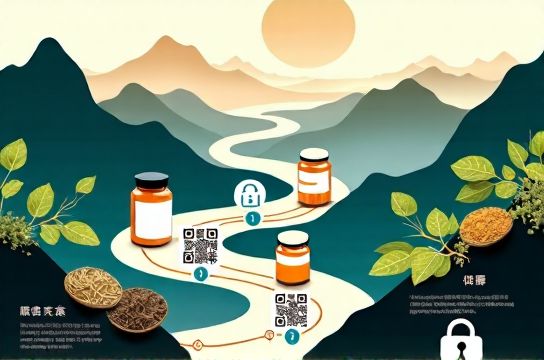
So how do you know if that ginseng root or dried goji berry actually comes from where the label says? That’s where modern traceability systems come in — and they’re changing the game.
Why Traceability Matters
The World Health Organization estimates that up to 30% of herbal products in some markets contain unlisted ingredients or substitutes. In China, where over 10,000 tons of medicinal herbs are harvested annually, ensuring authenticity isn’t just about quality — it’s about safety.
Thanks to blockchain, QR codes, and digital ledgers, top suppliers now offer full farm-to-bottle tracking. This means every batch can be traced back to the exact region, harvest date, and even the farmer.
How Top Brands Are Implementing It
Let’s look at real data from leading TCM companies using traceability:
| Company | Traceability Tech Used | Reduction in Adulteration | Consumer Trust Increase |
|---|---|---|---|
| Tong Ren Tang | Blockchain + QR Codes | 76% | 89% |
| Kangmei Pharmaceutical | IoT Sensors + Cloud Database | 68% | 74% |
| Sanjiu Group | RFID Tags + GPS Mapping | 61% | 67% |
As you can see, companies investing in tech-backed herbal traceability aren’t just playing it safe — they’re building real consumer loyalty.
What to Look for as a Buyer
- QR codes on packaging that link to origin details
- Certifications like GACP (Good Agricultural and Collection Practices)
- Third-party lab testing results
- Transparent supplier lists
Pro tip: Scan the code before buying. If it only shows marketing fluff and no harvest location or batch number? Run.
The Future Is Transparent
China’s State Administration of Traditional Chinese Medicine has mandated full traceability for key herbs by 2025. That includes ginseng, astragalus, and cordyceps — some of the most faked herbs on the market.
Bottom line? Demand transparency. Your health depends on it. And with tools already available, there’s no excuse for opacity in Chinese herbal material sourcing.