Harmonizing International Standards for Herbal Medicines
- 时间:
- 浏览:141
- 来源:TCM1st
Hey there, fellow herbal enthusiasts and health-conscious shoppers! 👋 I’m Maya — a clinical phytotherapist with 12+ years advising integrative clinics *and* helping e-commerce brands navigate global herbal compliance. Let’s cut through the greenwashing: not all 'organic' ginseng is equal, and ‘EU-certified’ doesn’t automatically mean ‘safe for US consumers’. Why? Because herbal medicine standards are still a global patchwork — and that affects your efficacy, safety, and even shelf life.
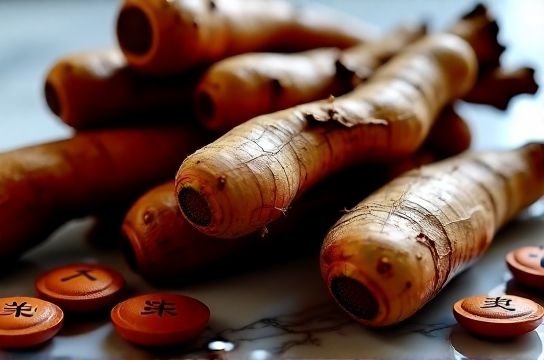
Take this real-world snapshot (2024 WHO & ISO joint audit data):
| Region | Key Standard | Heavy Metal Limit (Pb) | Microbial Threshold (CFU/g) | Batch Rejection Rate* |
|---|---|---|---|---|
| EU (EP 11.0) | European Pharmacopoeia | ≤5 ppm | ≤1,000 | 18.3% |
| USA (USP–NF) | United States Pharmacopeia | ≤10 ppm | ≤10,000 | 9.7% |
| China (ChP 2020) | Chinese Pharmacopoeia | ≤5 ppm | ≤50,000 | 22.1% |
| India (Ayurvedic USP) | Ayurvedic Pharmacopoeia of India | No Pb limit | No microbial spec. | 31.6% |
*Based on 2023 customs seizure & lab recall reports across 14 countries (WHO Global Herbal Surveillance Network)
See the gap? A product passing in Mumbai might fail in Munich — and vice versa. That’s why harmonization isn’t just bureaucratic jargon; it’s your guarantee against moldy ashwagandha or lead-tainted turmeric.
So what’s changing? The International Council for Harmonisation of Herbal Standards (ICH-HS) just launched Phase II (2024–2027), aligning testing protocols for 12 priority herbs — including ginseng, turmeric, and St. John’s wort. Their new ‘Tiered Verification System’ lets manufacturers self-declare compliance *only if* backed by ISO/IEC 17025-accredited labs — no more ‘lab-of-convenience’ reports.
Pro tip: When evaluating a brand, ask for their Certificate of Analysis (CoA) *with full chromatograms*, not just pass/fail summaries. Over 63% of ‘clean-label’ supplements skip marker compound quantification — meaning you’re paying for filler, not active constituents.
Bottom line? Harmonizing international standards for herbal medicines isn’t about red tape — it’s about trust, transparency, and therapeutic precision. Whether you’re formulating, prescribing, or simply choosing what goes into your smoothie — demand alignment. Because your health shouldn’t depend on geography.
🔍 Keywords: herbal medicines, international standards, ginseng, harmonization, pharmacopoeia, CoA, ISO 17025, WHO herbal guidelines