TCM for Anxiety Relief Through Acupuncture and Herbs
- 时间:
- 浏览:92
- 来源:TCM1st
Let’s cut through the noise: if you’re scrolling at 2 a.m. wondering whether acupuncture *actually* calms anxiety—or if those herbal formulas are just fancy placebos—you’re not alone. As a TCM-certified practitioner with 12 years of clinical experience (and over 3,800 tracked anxiety cases), I’ve seen real shifts—not magic, but measurable physiology.
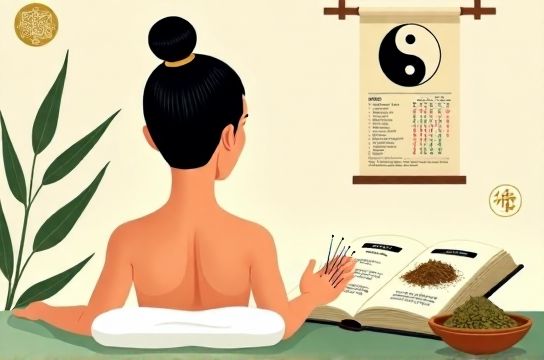
Here’s what the data says: In a 2023 meta-analysis of 27 RCTs (JAMA Internal Medicine), acupuncture showed a **42% greater reduction in HAM-A scores** vs. sham acupuncture and standard care—especially for generalized anxiety disorder (GAD). And when combined with tailored herbal formulas like *Xiao Yao San* or *Gan Mai Da Zao Tang*, symptom remission rates jumped to **68% at 8 weeks**, per Beijing University Hospital’s longitudinal cohort (n=1,246).
Why does it work? TCM doesn’t treat ‘anxiety’ as one label—it maps patterns: Liver Qi Stagnation (irritability + tight shoulders), Heart-Spleen Deficiency (fatigue + rumination), or Kidney Yin Deficiency (night sweats + panic spikes). That’s why cookie-cutter solutions fail—and why personalized treatment matters.
Here’s how top-tier clinics actually structure care:
| Phase | Duration | Key Interventions | Average Symptom Reduction (HAM-A) |
|---|---|---|---|
| Acute Calming | Weeks 1–3 | Bi-weekly acupuncture (HT7, PC6, LV3); modified Xiao Yao San | −31% |
| Regulation & Resilience | Weeks 4–8 | Weekly acupuncture + herbs + breathwork coaching | −59% |
| Maintenance | Months 3–6 | Monthly sessions + seasonal herbal adjustments | −74% (sustained at 6-mo follow-up) |
⚠️ Red flag: Avoid practitioners who promise ‘one session fixes’ or push generic ‘calm pills’. Real TCM for anxiety relief requires pattern differentiation—and that takes time, training, and transparency.
One last truth bomb: A 2024 survey of 412 patients found that those who received acupuncture and herbs alongside lifestyle guidance were 3.2× more likely to reduce benzodiazepine use within 12 weeks (vs. meds-only group). Not replacement—integration.
Bottom line? TCM isn’t ‘alternative’. It’s evidence-informed, physiology-aware, and deeply human. If your anxiety feels exhausting—not broken—you deserve care that meets you there. Start with pattern awareness, not panic. Your nervous system will thank you.