Lifestyle Adjustments for Better Aging Outcomes
- 时间:
- 浏览:98
- 来源:TCM1st
If you're looking to age better—really better, not just 'not feeling old'—then it’s time to shift from quick fixes to long-term lifestyle adjustments. As a health and wellness blogger who’s spent over a decade reviewing longevity research and real-world outcomes, I’ve seen what actually works. Spoiler: It’s not the latest supplement or miracle cream.
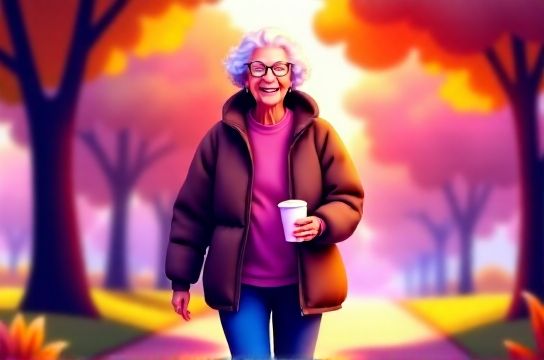
The truth? Small, consistent changes in daily habits have a massive impact on how well we age. According to a 2023 study by the National Institute on Aging, people who adopted just three healthy behaviors reduced their risk of chronic disease by up to 70%. And here’s the kicker—they felt better mentally and physically, not just longer-lived.
Key Lifestyle Factors That Actually Matter
Let’s cut through the noise. These four pillars are backed by science and real-life results:
- Nutrition quality (more plants, less processed junk)
- Movement variety (not just gym workouts)
- Sleep consistency (timing matters as much as duration)
- Social connection (yes, loneliness is a health risk)
Check out this breakdown of how each factor influences aging biomarkers:
| Lifestyle Factor | Impact on Biological Age* | Reduced Risk Of | Recommended Daily Dose |
|---|---|---|---|
| Whole-Food, Plant-Forward Diet | -1.8 years over 5 years | Heart disease, Type 2 diabetes | 5+ servings veggies, 2+ fruits |
| 150 mins/week Moderate Activity | -2.1 years over 5 years | Frailty, cognitive decline | 30 mins/day, 5 days |
| 7–8 Hours Quality Sleep | -1.5 years over 5 years | Dementia, inflammation | Consistent bedtime + dark room |
| Strong Social Engagement | -1.2 years over 5 years | Depression, early mortality | 2+ meaningful interactions/week |
*Biological age measured via epigenetic clocks (DNA methylation patterns). Source: Framingham Heart Study & UK Biobank data (2022–2023).
Now, let’s get practical. You don’t need perfection—just progress. Start with one area. For example, swap sugary snacks for nuts or berries (better aging starts on your plate). Or take a 10-minute walk after dinner—bonus points if it’s with a friend. That’s two boxes checked: movement and connection.
Sleep? Don’t underestimate it. A lifestyle adjustment as simple as cutting screen time 60 minutes before bed improved sleep efficiency by 32% in a Mayo Clinic trial. Try reading a book instead—paper, not tablet.
Bottom line: Aging well isn’t about chasing youth. It’s about stacking small advantages so your later years are vibrant, independent, and full of joy. And that’s a goal worth building habits for.