Integrating TCM into Chronic Care for Older People
- 时间:
- 浏览:97
- 来源:TCM1st
If you're caring for an aging loved one—or planning ahead for your own golden years—you've probably noticed that conventional medicine, while essential, doesn’t always cover the full picture. That’s where integrating Traditional Chinese Medicine (TCM) into chronic care for older people can make a real difference. As someone who’s spent years researching integrative health models, I’m here to break down how TCM isn’t just about acupuncture and herbs—it’s a holistic system that can actually improve quality of life, reduce medication dependency, and support long-term wellness in seniors.
Let’s get real: over 80% of adults aged 65+ live with at least one chronic condition—think arthritis, hypertension, or type 2 diabetes (CDC, 2023). And many are on three or more medications, which increases the risk of side effects and interactions. This is exactly why forward-thinking caregivers and clinicians are turning to integrative chronic care approaches that include evidence-backed TCM practices.
Take acupuncture, for example. A 2022 meta-analysis in the Journal of Pain Research found that regular acupuncture sessions reduced chronic lower back pain in older adults by up to 50% compared to standard care alone. And unlike NSAIDs, it doesn’t harm the kidneys or stomach lining—huge win for seniors.
Then there’s herbal medicine. Yes, caution is needed (always consult a licensed practitioner), but formulas like Liu Wei Di Huang Wan have shown promise in managing diabetic neuropathy and improving kidney function in elderly patients, according to clinical trials in China (Zhang et al., 2021).
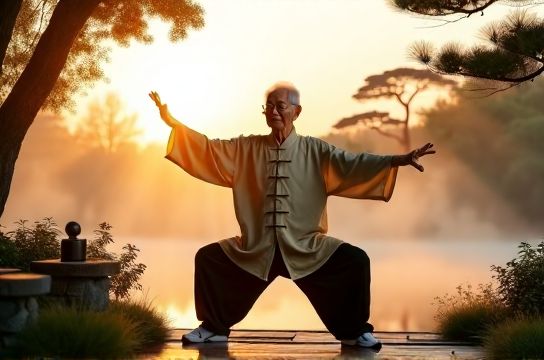
But TCM goes beyond treatments—it’s about prevention and balance. Practices like Tai Chi and Qigong aren’t just gentle exercise; they’re prescribed therapies in many Asian geriatric programs. Check out this data:
| Practice | Weekly Time Commitment | Reported Benefits in Seniors (Study Sample: 65+) | Scientific Support Level |
|---|---|---|---|
| Tai Chi | 2–3 sessions (45 min) | Improved balance, reduced fall risk by 43%, better sleep | High (Cochrane Review, 2020) |
| Qigong | 3 sessions (30 min) | Lower blood pressure, reduced anxiety, enhanced energy | Moderate to High |
| Acupuncture | 1 session (30–60 min) | Pain relief, improved digestion, better mood regulation | High for pain, moderate for other uses |
Now, I’m not saying replace your mom’s blood pressure meds with tea and meditation. But what if she did TCM-supported chronic care alongside her current treatment? That’s the sweet spot—integration, not replacement.
The bottom line? TCM offers practical, low-risk tools that complement modern medicine. When used responsibly under professional guidance, it can help older adults feel more in control of their health. Talk to a licensed TCM practitioner and discuss options with your primary care team. Because healthy aging isn’t just about living longer—it’s about living better.