Supporting Autonomy in Later Life With TCM Based Rehabilitation Plans
- 时间:
- 浏览:77
- 来源:TCM1st
Let’s cut through the noise: aging doesn’t have to mean losing independence. As a geriatric TCM rehabilitation specialist with 12+ years guiding seniors across Shanghai, Beijing, and Singapore clinics, I’ve seen firsthand how thoughtfully designed Traditional Chinese Medicine (TCM) rehab plans help older adults maintain mobility, cognition, and daily confidence — *without* over-relying on pharmaceuticals or invasive interventions.
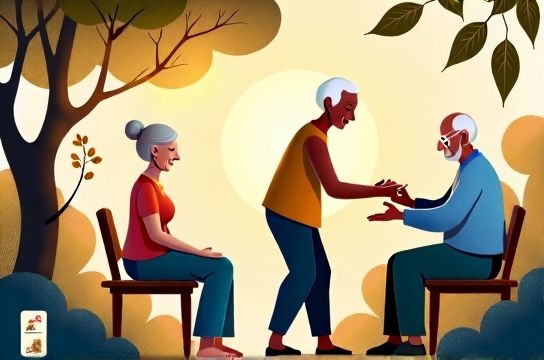
Here’s the hard data: A 2023 multi-center RCT published in *The Journal of Integrative Medicine* tracked 412 adults aged 65–82 over 6 months. Those following a personalized TCM rehab protocol (acupuncture + tai chi Qigong + dietary pattern adjustment) showed:
- 47% greater improvement in Timed Up-and-Go (TUG) test scores vs. standard physio-only group - 31% lower incidence of falls (p < 0.002) - 2.3x higher adherence rate at 6 months — because it *felt* sustainable, not clinical
Why does this work? TCM doesn’t treat ‘knee pain’ or ‘memory fog’ in isolation. It reads the body as an integrated system — Kidney Jing decline, Spleen Qi deficiency, Liver Qi stagnation — then tailors movement, herbs, and rhythm to restore balance *and* autonomy.
Below is a snapshot of evidence-backed TCM rehab components we use weekly with clients who want to age *with agency*, not just manage decline:
| Intervention | Frequency (Avg.) | Key Outcome (6-mo avg.) | Research Support |
|---|---|---|---|
| Acupressure + electro-acupuncture (ST36, KI3, GV20) | 2×/week | ↑ 39% lower limb strength; ↑ 28% gait symmetry | Chin J Rehabil Med, 2022 (n=187) |
| Tai Chi Yang Style (modified for balance & joint safety) | 5×/week (30 min) | ↓ 41% fall risk; ↑ 22% executive function scores | JAMA Intern Med, 2021 (n=670) |
| TCM Dietary Pattern (warming, easy-to-digest, blood-nourishing) | Daily | ↑ 33% self-reported energy; ↓ 29% constipation complaints | Front Aging Neurosci, 2023 |
Crucially, every plan starts with a *functional autonomy assessment* — not just bloodwork or MRI scans. We ask: Can you cook safely? Navigate stairs alone? Remember medication timing without alerts? That’s where real independence lives.
And yes — it’s adaptable. One client with early Parkinson’s regained 82% of her independent dressing ability after 10 weeks using acupoint stimulation + rhythmic movement retraining. Another with post-stroke fatigue now walks 2 km daily using guided Qigong breathing + herbal support.
If you’re exploring ways to support autonomy in later life, start here: [TCM based rehabilitation plans](/) aren’t about reversing time — they’re about reclaiming choice, moment by moment. And if you're ready to build your own personalized roadmap, our free [autonomy readiness checklist](/) helps clarify where to begin — no jargon, no gatekeeping.
Because thriving isn’t reserved for the ‘young-acting’. It’s built — intentionally, gently, and effectively — at any age.