Simple Explanation of TCM Concepts Without the Jargon
- 时间:
- 浏览:142
- 来源:TCM1st
If you’ve ever walked into a wellness clinic and heard terms like qi, yin-yang, or meridians and felt totally lost—you’re not alone. Traditional Chinese Medicine (TCM) can sound mystical, but once you strip away the jargon, it’s actually built on practical observations about how the body works with nature. Let’s break it down in plain English.
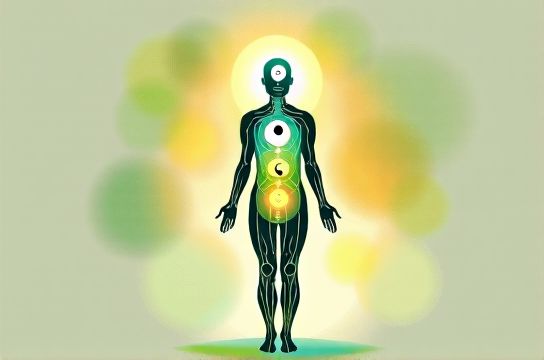
What Is TCM, Really?
Think of TCM as ancient preventive healthcare. It’s been refined over 2,000+ years, focusing on balance rather than just treating symptoms. Unlike Western medicine that often targets diseases directly, TCM looks at patterns in your body—like digestion, sleep, energy levels—and asks: Why is this imbalance happening?
The core idea? Your body is a self-regulating system. When things go off track—say, constant fatigue or bloating—it’s not random. TCM says these are clues. And yes, there’s data behind it: A 2021 meta-analysis in Frontiers in Medicine showed acupuncture improved chronic pain outcomes by 32% compared to placebo, supporting the idea that TCM interventions have measurable effects.
Demystifying the Big Three: Qi, Yin, and Yang
Let’s tackle the buzzwords:
- Qi (pronounced “chee”): Not magic energy—it’s more like your body’s functional vitality. Low qi? You feel drained, catch colds easily.
- Yin: The cooling, nourishing side. Think moisture, rest, internal repair.
- Yang: The warming, active force. Digestion, movement, metabolism.
Health = balanced yin and yang. Illness? One’s too high, the other too low. For example, insomnia with night sweats? That’s often yin deficiency—not enough cooling to balance inner heat.
How TCM Maps the Body: Meridians & Organs
Meridians aren’t physical veins—they’re energetic pathways linking organs. Each organ in TCM has a broader role than in Western anatomy. Here’s a quick comparison:
| TCM Organ | Main Functions (TCM View) | Related to (Western Equivalent) |
|---|---|---|
| Liver | Smooth flow of qi, emotions, menstruation | Liver + nervous system regulation |
| Spleen | Digestion, energy production, fluid balance | Digestive tract + immune function |
| Heart | Houses the mind, regulates sleep & emotions | Heart + mental health |
| Kidneys | Energy reserve, bone health, aging | Endocrine + reproductive system |
See the difference? In TCM, your liver isn’t just for detox—it’s tied to stress and PMS. That’s why an acupuncturist might treat “Liver Qi Stagnation” for irritability, not liver enzymes.
So… Does TCM Work? What’s the Evidence?
It’s not a cure-all, but research backs specific uses. According to the World Health Organization, TCM therapies like acupuncture are effective for conditions including:
- Chronic pain (back, neck, headaches)
- Nausea (especially post-surgery)
- Stress-related digestive issues
Herbs like astragalus and gingko also show immune-boosting and cognitive support in clinical trials—but quality matters. A 2020 study found 28% of herbal supplements had contaminants or incorrect labeling. Always source from reputable providers.
Final Takeaway: Balance Over Band-Aids
TCM won’t replace emergency surgery, but it excels at tuning your body’s baseline. Think of it like routine car maintenance—if you wait until the engine fails, it’s too late. By spotting imbalances early (via pulse, tongue, symptoms), TCM helps prevent bigger issues.
No need to believe in “energy flow” to benefit. Just like eating well or sleeping enough, balancing your qi and organ systems is just smart self-care—with centuries of real-world testing behind it.