Learning the Meridian Pathways Step by Step for Novices
- 时间:
- 浏览:146
- 来源:TCM1st
If you're just dipping your toes into the world of traditional Chinese medicine (TCM), one concept you’ll keep hearing about is meridian pathways. Think of them as energy highways running through your body—12 main ones, to be exact—each linked to a specific organ system. But how do you actually learn meridian pathways without getting lost in the jargon? Let’s break it down like a pro.
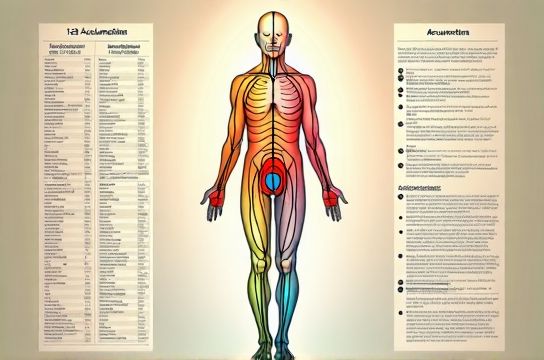
Why Meridians Matter (And Why You Should Care)
In TCM, health isn’t just about anatomy—it’s about energy flow, or “Qi” (pronounced “chee”). When Qi moves smoothly through your meridian system, you feel balanced. Blockages? That’s where pain, fatigue, or illness can creep in.
Whether you’re an acupuncturist-in-training, a wellness enthusiast, or just curious, understanding meridians helps you grasp how practices like acupuncture, acupressure, and even yoga influence the body on an energetic level.
The 12 Primary Meridians: Your Body’s Energy Map
Each meridian is tied to an organ and flows in a two-hour window throughout the day (yes, really). Here's a simplified breakdown:
| Meridian | Organ Pair | Peak Time (Circadian Flow) |
|---|---|---|
| Lung | Lung > Large Intestine | 3–5 AM |
| Large Intestine | Large Intestine > Stomach | 5–7 AM |
| Stomach | Stomach > Spleen | 7–9 AM |
| Spleen | Spleen > Heart | 9–11 AM |
| Heart | Heart > Small Intestine | 11 AM–1 PM |
| Small Intestine | Small Intestine > Bladder | 1–3 PM |
| Bladder | Bladder > Kidney | 3–5 PM |
| Kidney | Kidney > Pericardium | 5–7 PM |
| Pericardium | Pericardium > Triple Burner | 7–9 PM |
| Triple Burner | Triple Burner > Gallbladder | 9–11 PM |
| Gallbladder | Gallbladder > Liver | 11 PM–1 AM |
| Liver | Liver > Lung | 1–3 AM |
This circadian rhythm of Qi is no myth—studies have found correlations between autonomic nervous activity and these meridian cycles (*Journal of Acupuncture and Meridian Studies*, 2018). So if you’re always waking up at 3 AM? That’s Liver meridian time—possibly signaling stress or detox overload.
Pro Tips for Learning Meridians Like a Boss
- Start with pairs: Meridians work in yin-yang pairs (e.g., Lung + Large Intestine). Learn them together.
- Trace them daily: Use a diagram (or app) to trace each pathway on your body. Muscle memory helps!
- Link symptoms to meridians: Frequent headaches? Check the Gallbladder and Bladder meridians—they run through the head.
- Use mnemonics: “Lazy Students Can't Study Before Knowing Past Traumas” = Lung, Spleen, Conception Vessel, etc. Make your own!
Want a shortcut? I’ve curated a free flashcard deck at learn meridian pathways that includes visual maps, quiz modes, and clinical tips used by real TCM students.
Final Thoughts
You don’t need a PhD to get meridians. Start small, stay consistent, and connect the dots between energy flow and how you feel every day. Once you see the body as a dynamic network—not just a collection of parts—you’ll never look at health the same way again.