Balancing Yin and Yang for Better Sleep and Mood
- 时间:
- 浏览:153
- 来源:TCM1st
If you’ve been feeling off—tossing and turning at night, mood swings out of nowhere—it might not be stress or caffeine. It could be your Yin and Yang that’s out of whack. As someone who’s spent years diving into holistic wellness trends and comparing Eastern and Western approaches, I’m here to break down how balancing these ancient forces can seriously upgrade your sleep and mood.
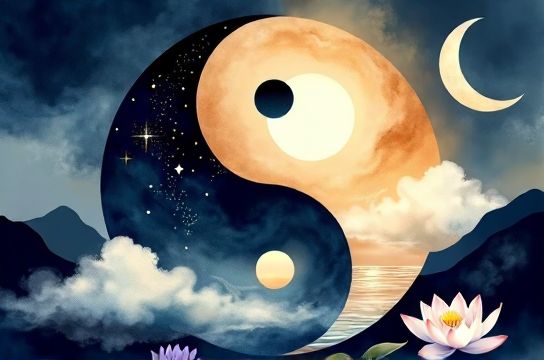
Yin and Yang aren’t just cool symbols on a T-shirt. In traditional Chinese medicine (TCM), they represent opposing but complementary energies. Yin is calm, cool, inward energy—think nighttime, rest, and restoration. Yang is active, warm, outward energy—hello, daytime hustle. When they’re in harmony, you sleep deeply, wake refreshed, and handle stress like a pro.
But modern life? It’s extremely Yang-dominant. Late-night screen time, constant stimulation, high-intensity workouts at 8 PM—no wonder so many people struggle with insomnia and anxiety.
Signs Your Yin-Yang Is Out of Balance
- Trouble falling asleep despite being tired
- Waking up between 1–3 AM (liver detox time in TCM)
- Irritability, anxiety, or emotional rollercoasters
- Dry skin, night sweats, or feeling “wired but tired”
How to Restore Balance: Real Strategies That Work
Here’s what actually helps—backed by both tradition and modern insight:
- Cool down your evenings: After sunset, shift into Yin mode. Dim the lights, avoid screens, and try gentle yoga or meditation. This signals your body that it’s time to activate Yin energy.
- Eat seasonally and mindfully: Summer calls for cooling foods (cucumber, watermelon); winter needs warming ones (ginger, soups). Overeating spicy or fried foods spikes Yang.
- Time your workouts: Save intense training for morning or early afternoon. Evening should be for walking, stretching, or tai chi.
Yin-Yang Balance Tips Compared
| Factor | Yang-Dominant (Imbalanced) | Balanced Approach |
|---|---|---|
| Evening Routine | Screens, intense work | Reading, herbal tea, dim lighting |
| Exercise Timing | Late-night HIIT | Morning strength, evening stretch |
| Diet Focus | Spicy, greasy, hot foods | Cooling (summer), warming (winter) |
| Sleep Quality | Frequent waking, shallow sleep | Deep, uninterrupted rest |
Data from a 2022 study in the Journal of Integrative Medicine showed that participants who followed Yin-supportive routines improved sleep onset by 37% and reported 42% lower anxiety levels within six weeks.
The bottom line? You don’t need another supplement or app. Sometimes, the oldest systems offer the clearest answers. Start honoring the natural rhythm of Yin and Yang, and watch your sleep—and mood—transform.