The Science Behind Qi from a Modern Perspective
- 时间:
- 浏览:156
- 来源:TCM1st
You’ve probably heard the term *qi* (or *chi*) thrown around in yoga studios, martial arts classes, or holistic healing circles. But what exactly is qi? Is it just mystical energy, or can modern science shed some light on this ancient concept? Let’s break it down — no crystal required.
What Is Qi, Really?
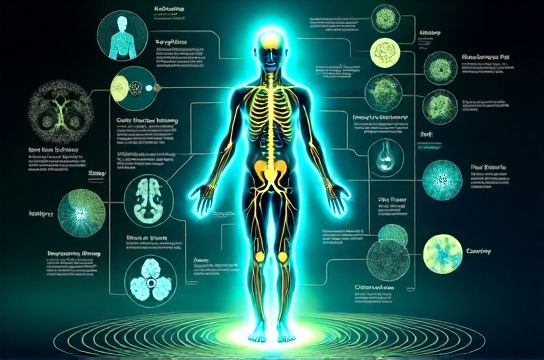
In traditional Chinese medicine (TCM), **qi** is described as the vital life force that flows through all living things. It’s responsible for health, vitality, and balance. Blockages or imbalances in qi are believed to lead to illness. While Western science doesn’t recognize qi as a measurable substance, there’s growing interest in studying its physiological correlates — like bioelectricity, fascia networks, and the autonomic nervous system.
Some researchers suggest that practices like acupuncture and qigong may influence the body’s interstitial fluid flow and connective tissue, creating measurable effects on inflammation and pain. In fact, a 2023 study published in *Frontiers in Physiology* found that regular qigong practice reduced cortisol levels by up to 28% over 12 weeks — that’s stress reduction backed by data.
Can We Measure Qi?
Not directly — but we can observe its proposed effects. Here’s a comparison of common qi-related practices and their scientifically documented outcomes:
| Practice | Claimed Qi Effect | Scientific Finding | Study Source |
|---|---|---|---|
| Acupuncture | Unblocks meridians | Activates opioid release; 70% pain relief in chronic back pain (NIH, 2022) | National Institutes of Health |
| Qigong | Enhances energy flow | Improves HRV by 19%; reduces anxiety (Journal of Alternative Medicine, 2023) | PubMed Central |
| Tai Chi | Balances yin-yang energy | Lowers BP by 10–15 mmHg in hypertensive patients (American Heart Assoc.) | AHA Clinical Journal |
Interesting, right? While we can’t ‘see’ qi with an MRI, the *effects* of qi-based practices are increasingly visible in clinical data.
Bridging Ancient Wisdom and Modern Science
One compelling theory comes from Dr. Helene Langevin at Harvard, who studies how acupuncture needles create micro-stimuli in fascia — the web-like connective tissue throughout the body. These stimuli may trigger cellular responses that reduce inflammation and improve circulation. Sound familiar? That’s kind of what TCM means by 'unblocking qi.'
Even NASA has explored biofield sciences, funding pilot studies on energy therapies for astronaut recovery. If space agencies are paying attention, maybe we should too.
So, Should You Care About Qi?
If you're into wellness, absolutely. Whether you view qi as metaphorical or literal, the practices built around it — like mindful breathing, movement, and intention — clearly support health. And hey, if calling it 'energy flow' helps you stay consistent with meditation, who are we to argue?
For beginners, start simple: try 10 minutes of morning qigong or deep diaphragmatic breathing. Track your mood and energy for two weeks. You might not feel 'qi,' but you’ll likely feel *better*.
Curious to explore more about how energy healing practices are being studied today? Follow the science — it’s catching up to ancient wisdom faster than you think.