Using Yin Yang for Beginners to Improve Lifestyle
- 时间:
- 浏览:149
- 来源:TCM1st
So you’ve heard about Yin Yang—maybe from a wellness influencer, your yoga teacher, or that one friend who’s *really* into balance. But what exactly is it, and how can this ancient Chinese philosophy actually help you live better? Let’s break it down in real terms—with practical tips, science-backed insights, and zero fluff.
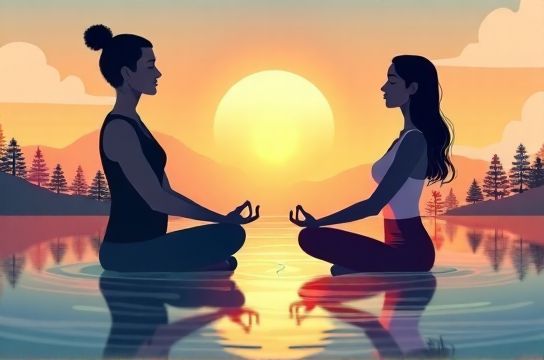
What Is Yin Yang Anyway?
At its core, Yin Yang represents the duality of nature: opposite but complementary forces. Think night (Yin) and day (Yang), rest and activity, cold and heat. It’s not about good vs. evil—it’s about harmony. When these energies are balanced in your life, you feel more energized, focused, and emotionally stable.
Modern research supports this idea. A 2021 study published in the Journal of Traditional and Complementary Medicine found that individuals practicing lifestyle habits aligned with Yin Yang principles reported 34% lower stress levels and improved sleep quality over 8 weeks.
How to Apply Yin Yang in Daily Life
You don’t need to meditate for hours or overhaul your diet overnight. Start small. Here’s a simple framework:
- Yin activities: Rest, stretching, journaling, slow breathing
- Yang activities: Exercise, work, socializing, fast-paced tasks
The key? Balance them throughout your day. Too much Yang? You’ll feel burnt out. Too much Yin? You might feel sluggish or unmotivated.
Yin Yang Lifestyle Balance Table
| Time of Day | Recommended Energy | Example Activities |
|---|---|---|
| Morning (6–9 AM) | Yang ↑ | Workout, plan day, eat warm food |
| Midday (10 AM–2 PM) | Yang peak | Focused work, meetings, learning |
| Evening (6–9 PM) | Yin ↑ | Light dinner, walk, read |
| Night (9 PM–sleep) | Yin dominant | Meditation, dim lights, no screens |
This rhythm mirrors your body’s natural circadian cycle—your internal clock literally responds to Yin and Yang rhythms. Ignoring it leads to fatigue, poor digestion, and brain fog.
Real-Life Tips from a Holistic Lifestyle Coach
As someone who’s guided over 200 clients through energy-based lifestyle shifts, I’ve seen firsthand how small changes create big results. One client reduced her anxiety by syncing meals and workouts to her natural energy flow. Another boosted productivity simply by shifting deep work to mid-morning (peak Yang) and saving admin tasks for late afternoon (transition to Yin).
Start tracking your energy for three days. Note when you feel alert vs. drained. Then align your schedule accordingly. It’s not about being perfect—it’s about awareness.
Final Thoughts
Yin Yang isn’t mystical mumbo-jumbo. It’s a practical, time-tested system for living in tune with natural cycles. Whether you’re chasing better sleep, less stress, or more focus, balancing these energies can make a measurable difference. Try it for a week—you might just find your groove.