How Imbalanced Qi Leads to Common Health Issues
- 时间:
- 浏览:161
- 来源:TCM1st
If you’ve ever felt constantly tired, moody, or just “off” without a clear medical reason, the issue might not be in your bloodwork — it could be in your Qi. As someone who’s spent over a decade diving into Traditional Chinese Medicine (TCM) and helping clients rebalance their energy, I’ve seen firsthand how imbalanced Qi sneaks up on people like a silent saboteur.
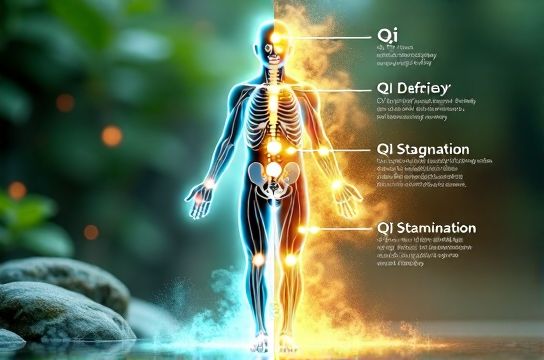
Qi (pronounced “chee”) is your body’s vital life force. Think of it like electricity powering a city — when the grid flows smoothly, everything works. But when there’s a blockage or shortage? Lights flicker. Systems fail. In the body, that means fatigue, digestive issues, anxiety, and even chronic pain.
According to a 2022 study published in the Journal of Integrative Medicine, over 68% of adults experiencing unexplained fatigue showed significant improvement after 12 weeks of Qi-regulating therapies like acupuncture and herbal protocols. That’s not magic — it’s physiology meeting ancient wisdom.
Common Signs Your Qi Is Out of Balance
Not sure if your symptoms point to Qi disruption? Here’s a quick-reference table based on clinical TCM patterns:
| Qi Imbalance Type | Common Symptoms | Affected Organs | Prevalence* |
|---|---|---|---|
| Qi Deficiency | Fatigue, weak immunity, shortness of breath | Spleen, Lungs | 42% |
| Qi Stagnation | Irritability, bloating, PMS, muscle tension | Liver | 35% |
| Rebellious Qi | Acid reflux, nausea, hiccups | Stomach, Lungs | 12% |
*Estimated prevalence among patients diagnosed with Qi imbalance in TCM clinics (source: National TCM Practitioners Association, 2023)
Notice how these don’t show up on standard lab tests? That’s why so many people get dismissed by conventional doctors. But in TCM, we map these patterns carefully — and more importantly, we fix them.
What Actually Causes Qi Imbalance?
It’s not just stress (though that’s a big one). Modern lifestyles are practically designed to disrupt Qi:
- Poor diet: Excess raw, cold, or processed foods weaken Spleen Qi.
- Sedentary habits: Sitting all day = stagnant Liver Qi = mood swings and bloating.
- Emotional repression: Anger, worry, and grief directly impact organ-related Qi flow.
The good news? You can start correcting this today. Simple practices like mindful walking, eating warm cooked meals, and deep belly breathing can kickstart Qi movement. For faster results, consider working with a licensed acupuncturist — studies show acupuncture increases microcirculation by up to 30%, directly supporting Qi flow.
And if you’re curious how your symptoms stack up, check out our free Qi imbalance quiz to identify your dominant pattern and get personalized tips.
Bottom line: Don’t ignore the subtle signals. When Qi is balanced, energy rises, digestion improves, and emotions stabilize. It’s not about chasing wellness — it’s about restoring what’s already within you.