Connecting Emotions to Meridians in TCM Practice
- 时间:
- 浏览:145
- 来源:TCM1st
If you’ve ever felt a lump in your throat when sad or had "butterflies" during anxiety, your body’s already hinting at a deep truth ancient Chinese medicine has known for centuries: emotions directly impact physical health. As a holistic wellness blogger with over a decade of diving into Traditional Chinese Medicine (TCM), I’m here to break down how your feelings—joy, anger, worry, grief, and fear—map onto specific meridians and organs. This isn’t just poetic philosophy; it’s a functional system backed by clinical observation and growing scientific interest.
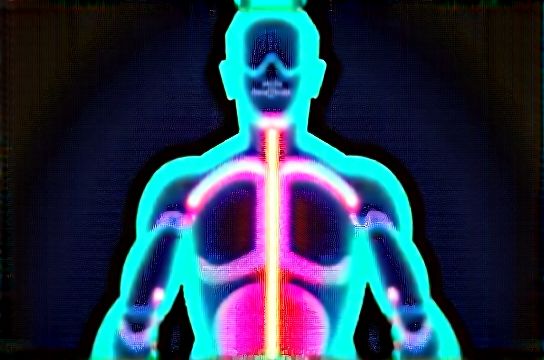
The Emotional-Meridian Link: More Than Just Folklore?
In Western medicine, we often separate mind and body. But TCM sees them as one interconnected network. Each of the five major organ systems is tied to an emotion, a meridian pathway, and even a sensory organ. When emotions become chronic or repressed, they can disrupt Qi (vital energy) flow, leading to physical symptoms.
Let’s get practical. Here’s a clear breakdown:
| Emotion | Associated Organ | Meridian Pathway | Common Physical Manifestations |
|---|---|---|---|
| Anger | Liver | Liver Meridian | Headaches, menstrual pain, tight shoulders |
| Worry/Obsession | Spleen | Spleen Meridian | Digestive issues, fatigue, bloating |
| Grief | Lungs | Lung Meridian | Asthma, dry cough, low immunity |
| Fear | Kidneys | Kidney Meridian | Lower back pain, frequent urination, tinnitus |
| Excessive Joy/Excitement | Heart | Heart Meridian | Insomnia, palpitations, restlessness |
This table isn’t just theory—it’s used daily in acupuncture clinics. For example, patients with chronic migraines often report unprocessed anger. A practitioner might focus on Liver 3 (Taichong point), a key acupoint on the Liver Meridian, to restore balance.
Real-World Application: What You Can Do
You don’t need a TCM degree to benefit from this knowledge. Start by noticing patterns. Do you clench your jaw when stressed? That’s Liver Qi stagnation. Always feel heavy after overthinking? Spleen imbalance could be the culprit.
Simple practices help:
- Liver Support: Morning stretches, deep breathing, and reducing alcohol intake.
- Spleen Care: Eat warm, cooked meals; avoid excessive sugar and cold foods.
- Lung Health: Grief processing through journaling or breathwork like Qi Gong.
A 2021 study published in Frontiers in Psychology found that participants practicing emotion-focused acupressure reported a 40% reduction in stress markers within 6 weeks. While more research is needed, the trend is promising.
Final Thoughts
Understanding how emotions travel through meridians empowers you to take charge of your well-being holistically. It’s not about suppressing feelings—but channeling them before they manifest as illness. Whether you’re new to TCM or deepening your practice, remember: your emotional landscape shapes your physical reality.