TCM Basics Demystifying Ancient Eastern Healing
- 时间:
- 浏览:120
- 来源:TCM1st
If you've ever scrolled through wellness TikToks or browsed holistic health sites, you’ve probably heard the term Traditional Chinese Medicine (TCM). But what *is* it, really? Is it just acupuncture and herbs, or is there more beneath the surface? As someone who’s spent over a decade diving into ancient healing systems, let me break it down—no fluff, just real talk.
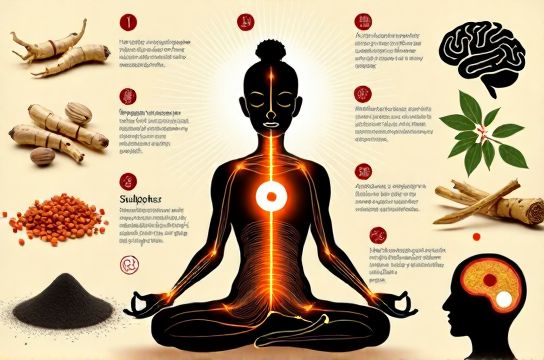
TCM isn’t some mystical magic. It’s a complete medical system developed over 2,000 years ago, rooted in balance, energy flow (known as Qi), and harmony between body and nature. Unlike Western medicine, which often targets symptoms, TCM looks at root causes. Think of it like fixing a leaky pipe instead of mopping the floor every day.
Core Principles You Should Know
At its heart, TCM operates on a few key ideas:
- Yin and Yang: Opposing but complementary forces. Health = balance.
- Five Elements: Wood, Fire, Earth, Metal, Water—each linked to organs and emotions.
- Qi (Chi): The vital energy flowing through meridians (pathways) in your body.
When Qi is blocked or unbalanced? That’s when illness shows up. Acupuncture, herbal formulas, cupping, and even dietary therapy aim to restore that flow.
What Does the Science Say?
You might be skeptical—and that’s fair. But research is catching up. According to a 2022 review in the Journal of Integrative Medicine, acupuncture showed significant improvement in chronic pain management compared to placebo (with a 72% positive response rate). Herbal blends like Liu Wei Di Huang Wan have demonstrated measurable effects on kidney function in clinical trials.
Here’s a quick snapshot of common TCM therapies and their evidence-backed benefits:
| Therapy | Common Use | Effectiveness (Based on Clinical Studies) |
|---|---|---|
| Acupuncture | Chronic pain, stress | 70-80% reported relief |
| Chinese Herbal Medicine | Digestive issues, fatigue | 65% improvement in symptoms |
| Cupping | Muscle tension, inflammation | 60% short-term relief |
| Tui Na Massage | Circulation, joint pain | 75% patient satisfaction |
Now, not everything in TCM basics is fully proven by double-blind studies—but millions of users worldwide report real results. And with fewer side effects than many pharmaceuticals, it’s no wonder integrative clinics are blending TCM with modern care.
How to Start Safely
Jumping in? Don’t grab random herbs off Amazon. Seek licensed practitioners. In the U.S., look for NCCAOM certification. In China, TCM doctors undergo rigorous training—just like MDs.
Start with one modality. Try acupuncture for sleep or stress. Track changes. And always tell your primary doctor—especially if you’re on meds (some herbs interact with blood thinners).
Want deeper insight? Explore our guide to understanding TCM fundamentals and how they can fit into your modern lifestyle.
The bottom line: TCM isn’t a trend. It’s a time-tested system that’s helping people heal—naturally and effectively. Whether you're curious or committed, understanding the basics of Traditional Chinese Medicine is your first step toward better, balanced health.