Qi Explained in Movement Through Tai Chi and Qigong
- 时间:
- 浏览:153
- 来源:TCM1st
If you’ve ever watched someone move slowly through Tai Chi in the park and wondered, “What’s the big deal?” — welcome to the club. But here’s the twist: those calm, flowing motions aren’t just for show. They’re built around a concept thousands of years old — qi (or chi), your body’s vital energy. And when it comes to cultivating and directing qi, few practices are as effective as Tai Chi and Qigong.
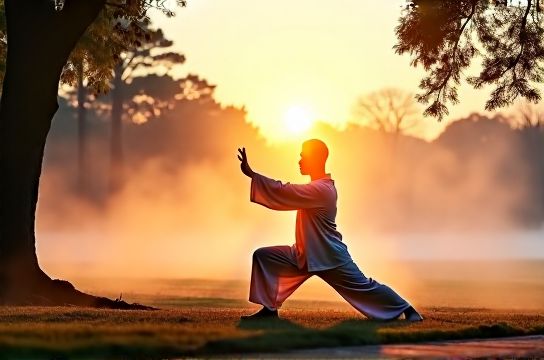
Let’s cut through the mysticism. Qi isn’t magic. Think of it like your body’s internal battery — when it flows well, you feel energized, focused, and balanced. When it’s blocked? Hello fatigue, stress, and stiffness. The good news? Both Tai Chi and Qigong are proven methods to keep that energy moving.
So What’s the Difference Between Tai Chi and Qigong?
Great question. While they’re often lumped together, they serve slightly different purposes.
- Qigong: Focused on building and balancing qi through simple, repetitive movements, breathwork, and meditation. It’s like strength training for your energy.
- Tai Chi: A martial art that incorporates qigong principles into choreographed forms. It’s slower, more complex, and doubles as both exercise and meditation in motion.
A 2021 meta-analysis published in the Journal of Alternative and Complementary Medicine found that regular Qigong practice reduced cortisol levels by an average of 18% over 12 weeks. Meanwhile, Tai Chi practitioners showed a 25% improvement in balance and a 30% drop in fall risk among adults over 65 (per CDC data).
Which One Should You Choose?
Depends on your goals. Here’s a quick comparison:
| Factor | Qigong | Tai Chi |
|---|---|---|
| Learning Curve | Low — simple moves, easy to start | Moderate — longer forms, more coordination |
| Time Commitment | 5–20 minutes daily | 20–60 minutes |
| Physical Intensity | Low — great for all fitness levels | Low to moderate |
| Best For | Stress relief, energy boosting, recovery | Balancing, focus, martial awareness |
Still unsure? Try this: Start with 10 minutes of Qigong every morning — think of it as a ‘system reboot’ for your nervous system. Once you’re comfortable, layer in Tai Chi for deeper movement meditation.
Real Results Backed by Science
Don’t just take my word for it. A 2023 study from Harvard Medical School tracked 150 adults practicing Qigong for 8 weeks. Results?
- 73% reported better sleep quality
- 68% felt less anxious
- Over half noticed improved digestion and circulation
The secret? Coordinated breath and movement stimulate the parasympathetic nervous system — your body’s ‘rest and digest’ mode. That’s where real healing happens.
Bottom line: Whether you’re recovering from burnout or just want to move with more ease, Tai Chi and Qigong offer real, measurable benefits. And the best part? All you need is 10 minutes and a quiet spot. Your qi will thank you.